Parker Schnabel Hits Season’s Best Find With $867,000 Worth Of Gold
Before dawn breaks over the Klondike, the mining camps are usually quiet—only the low hum of generators cutting through the cold northern air. But inside a small office at Dominion Creek, Parker Schnobble is already seated at his desk, sifting through a thick stack of job applications. The names change every year, the promises remain the same, and the risk never fades. In an industry where a single misstep can halt production, Parker knows better than most that a polished résumé is no guarantee of competence.
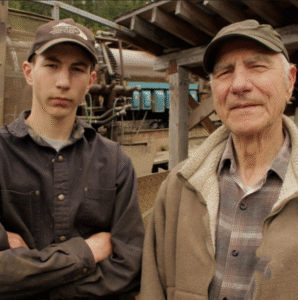
Now 30, Schnobble has spent half his life turning raw ground into gold. He has transformed from a determined teenager trying to honour his family legacy into one of the Yukon’s most successful mining operators. Yet this season carries a different weight. With an ambitious 10,000-ounce target looming over the operation, he faces a challenge that no amount of experience can shoulder alone: a crew that is younger, greener, and more untested than any he has led before.
That responsibility now falls heavily on Tyson Lee, the rising young foreman who has gradually earned Parker’s trust. This year, the Dominion Creek site has been placed almost entirely under Tyson’s command, a move that signals both confidence and risk. Dominion is running two major mining cuts—the dependable Bridge Cut and the newly opened Golden Mile—as well as two wash plants working around the clock. For Tyson, managing this sprawling operation would be demanding under ideal conditions. But this season is far from ideal.
More than half the roster is made up of new hires, many of whom have never set foot on a mining claim before. Training them is not optional; it is a race against time. And on top of that, Parker has handed Tyson an order as heavy as the pay dirt they dig: double last year’s output.

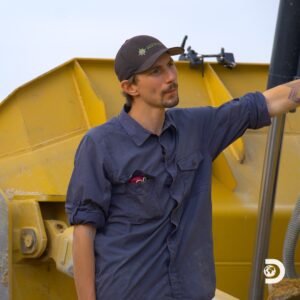
The first test comes swiftly. Amy Lee, a former science teacher with no mining experience, is assigned a loader on her first day—a position usually reserved for seasoned operators. When a grinding noise erupts from the Golden Mile’s conveyor system, she reacts instantly, shutting down the machine and identifying a dangerous rock jam. Moments later, Parker himself arrives, recognising the seriousness of the malfunction. What could have been a costly shutdown becomes a moment of quiet validation. Tyson offers a nod of approval. For a rookie, spotting the problem early is the difference between failure and progress.
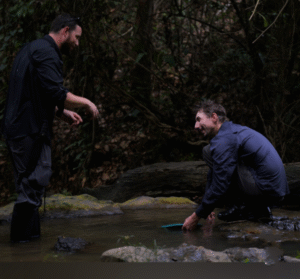
Elsewhere on the claim, another crisis unfolds. At the Bridge Cut, water begins flooding the pit at an alarming rate. The narrow culvert that usually channels out groundwater is overwhelmed, threatening to shut down wash plant Bob. New operator Michael Thompson races to replace the pipe with a much larger 36-inch culvert. Battling mud, icy water and the pressure of a ticking clock, he manages to keep Bob running. Disaster averted—just.
By midweek, Dominion is pushing forward, though the strain is visible. Tyson runs between sites, a radio constantly crackling at his side, while rookies learn on the fly, often under the direct gaze of Parker’s expectations. Dominion may be younger and less experienced than any of Parker’s previous crews, but the gold coming through the sluices suggests they are finding their rhythm.
Weigh-in day is tense. The crew gathers as the first tray from the Golden Mile hits the scale: 50 ounces, then 80, then 120. The final tally settles at 152 ounces—a 35% increase from the previous week and worth more than half a million dollars. Then comes Bob’s total from the Bridge Cut. Known for producing around 143 ounces per week, it surpasses expectations with 156 ounces. Two plants, running in balance. Two rookie-heavy teams delivering strong results.
The week’s combined haul of 308 ounces nearly doubles the season’s total output. For a workforce many wrote off as inexperienced and unproven, the achievement is remarkable.
Yet Parker is not ready to ease the pressure. Standing beside the week’s gold, he reflects on last year’s progress and the uncertainty of the months ahead. When asked whether the 10,000-ounce target is achievable, Tyson declines to offer guarantees. Anything can happen in a Klondike season—floods, breakdowns, and unexpected setbacks remain constant risks.
Parker listens and nods. Then he raises the bar. To stay on track, he tells the team, next week must be bigger and better. He wants three full pans of gold.
No one disagrees. They cannot afford to. As engines rumble back to life across Dominion Creek, the rookies return to their machines. The season is still young, but for the first time, Parker Schnobble’s ambitious goal no longer feels impossible. If this crew can maintain their pace, the 10,000-ounce dream may yet become a reality.