The Oak Island Season 13, Episode 3: New Evidence in Western Swamp Reveals Hidden Structures
The Oak Island Season 13, Episode 3: New Evidence in Western Swamp Reveals Hidden Structures
Episode 3 of The Curse of Oak Island Season 13 delivers one of the most intriguing developments of the year as the team turns its attention toward an area long overlooked: the western side of the Oak Island swamp. What began as a routine exploratory dig quickly evolved into a discovery that may reshape the team’s understanding of how much of the swamp was engineered — and by whom.
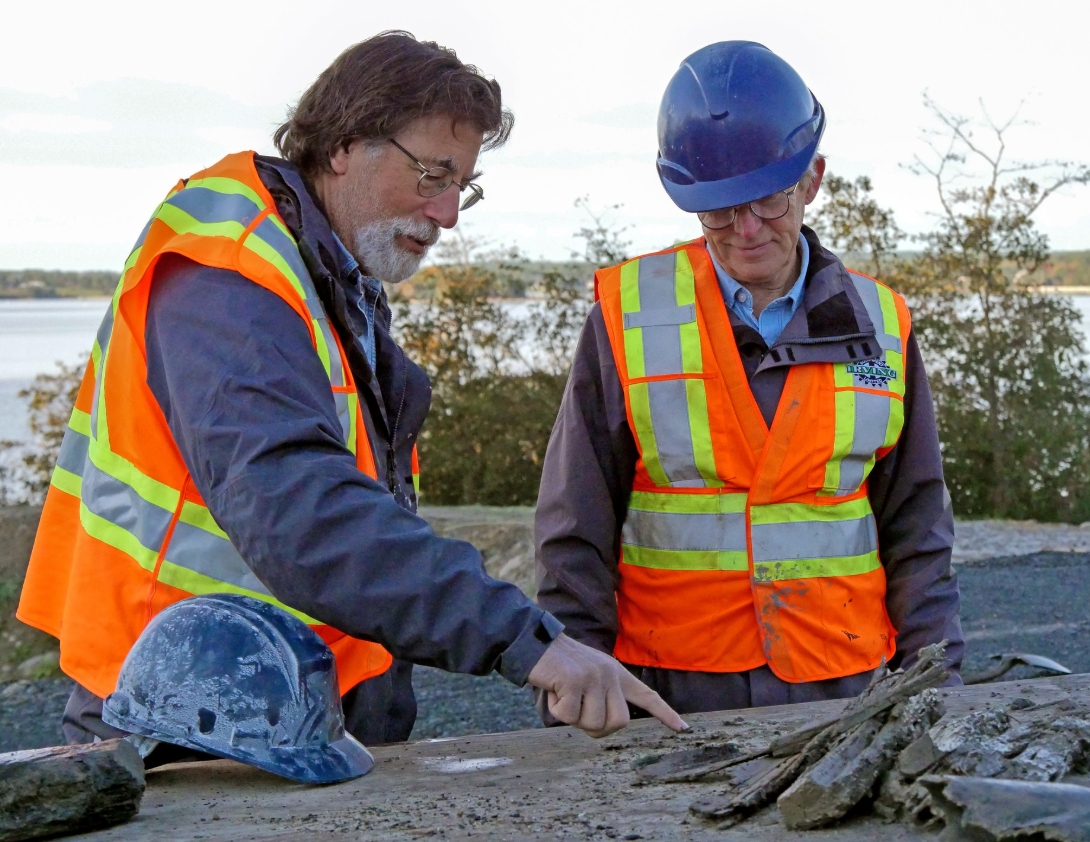
A New Excavation Zone With Big Potential
The episode opens at the Research Center, where the team discusses their shifting focus. After years of studying known swamp structures such as the Stone Road, the Paved Area, and the Cobblestone Path, the group identifies the Western Swamp as the next logical target. Despite the swamp’s central role in past discoveries, the western section has remained almost untouched.
This season, that changes.
Rick Lagina notes that if the entire swamp was once manipulated — a theory supported by multiple previous findings — then the western edge may hold clues to how the structure was built or used. And as the team begins excavation roughly 180 feet from the Paved Area, their instincts soon prove correct.
Axe-Cut Stakes Hint at Human Construction
In the muddy trench, Gary Drayton and the team uncover multiple wooden stakes buried deep beneath the swamp bed. More importantly, these stakes show distinct axe-cut marks, identical to others previously unearthed in the northern swamp.


These were not random branches.
They were crafted — placed intentionally.
The similarities raise an important question:
Could the western swamp contain the remains of a much larger engineered structure that once spanned the entire area?
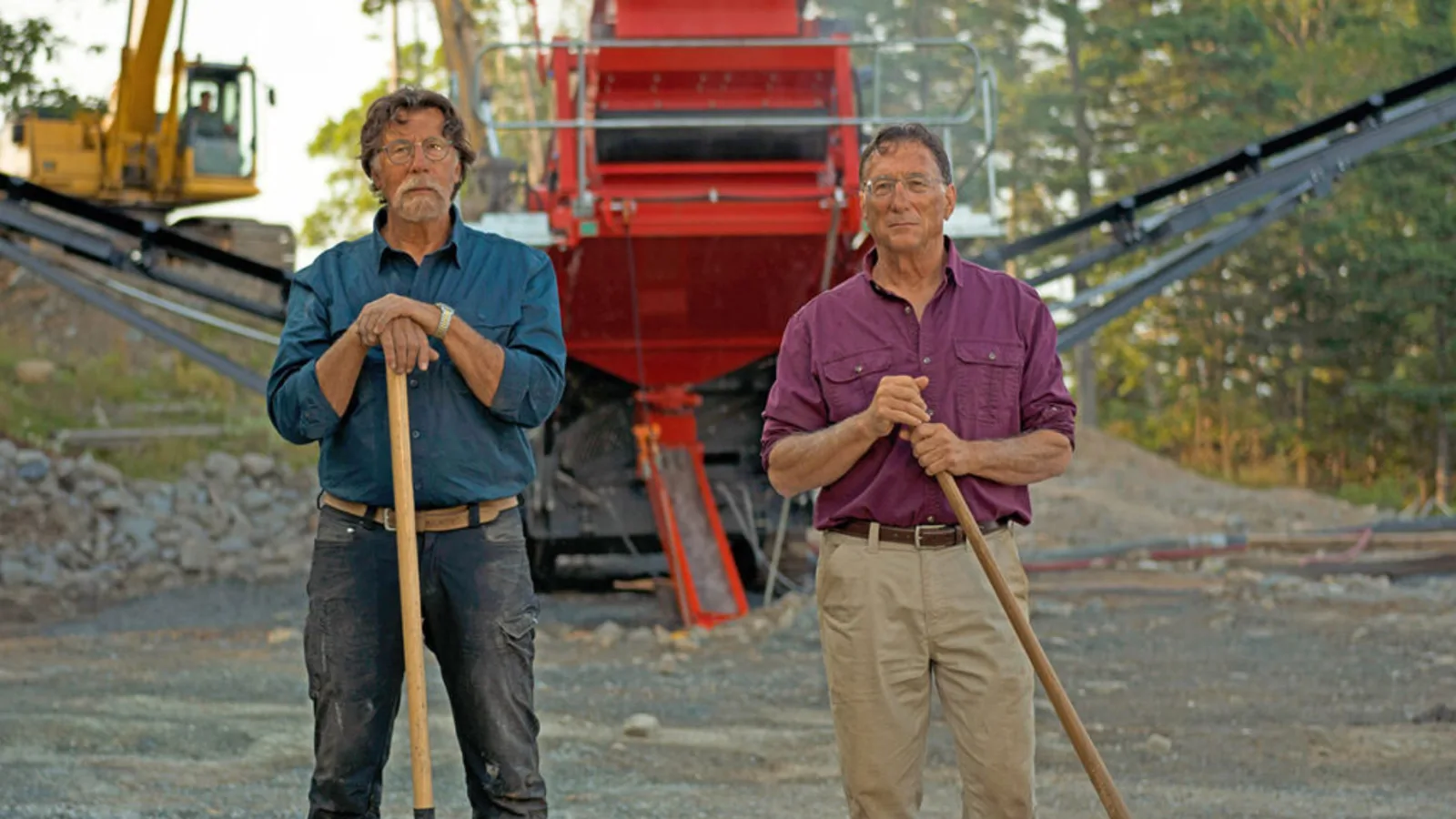
The team begins to suspect that what they have found is not isolated activity but part of a designed, interconnected system that may date back centuries.
How Does It Connect to Known Structures?
The western stakes resemble features already documented elsewhere:
-
The Stone Road (believed to be a man-made causeway)
-
The Paved Feature (a stone platform)
-
The Cobblestone Path (a deliberate path toward the ocean)
All of these findings have contributed to the theory that the swamp was once a dry or semi-dry worksite — possibly a concealed harbor, a staging area, or even a diversion engineered to hide something beneath.
Now, with the western side yielding the same construction style, the case grows stronger.
Lot 5 and Money Pit Findings Add to the Mystery
The episode also revisits Lot 5, where archaeologists uncovered domestic artifacts ranging from the 1600s to the 1800s — along with a Roman coin from 250–270 AD. Meanwhile, in the Money Pit, borehole J5-8.5 struck a large void at 145–158 feet, filled with loose material and extending to an unusually deep 229 feet.
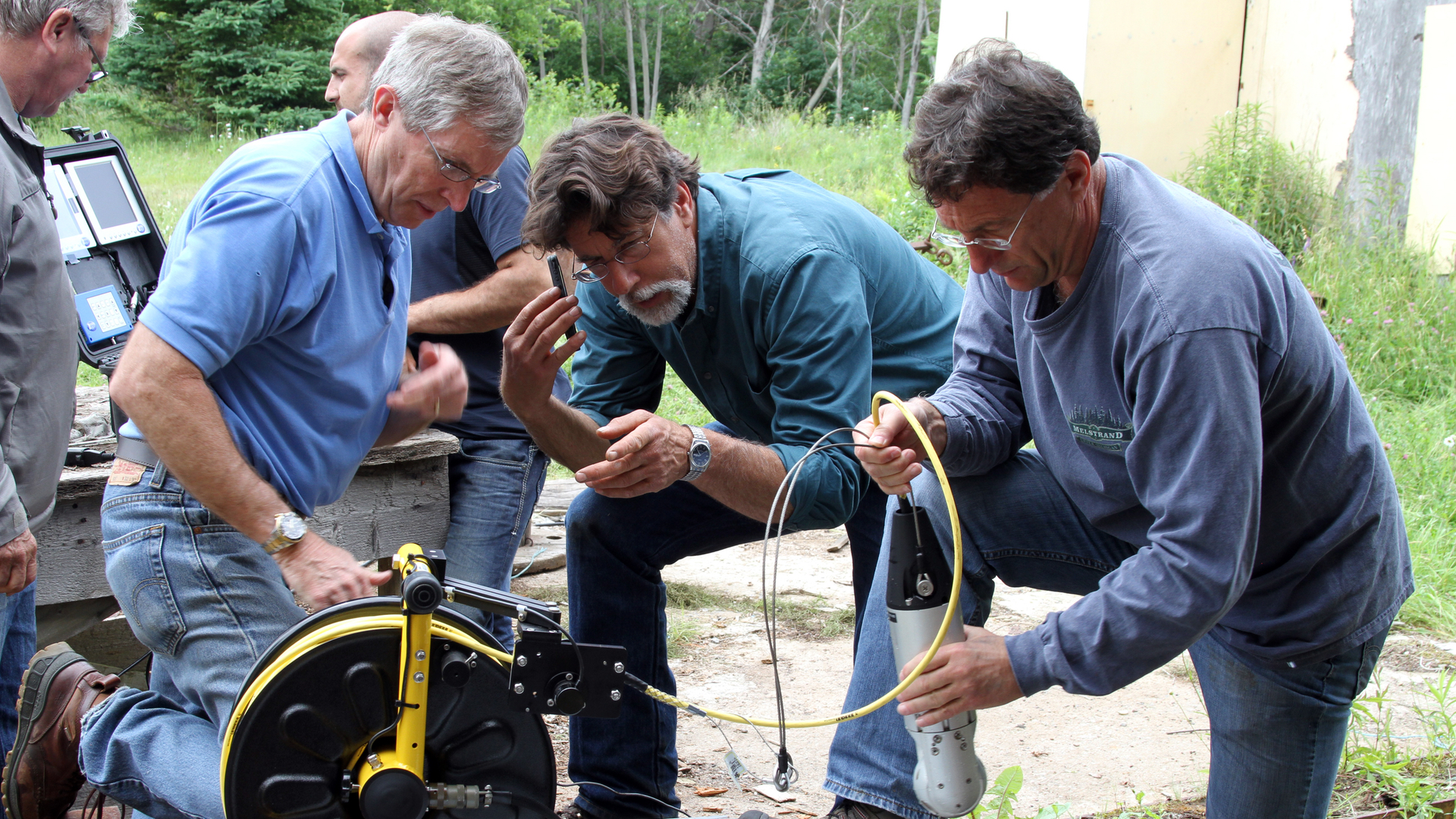
Each discovery adds layers to the island’s timeline — a mixture of colonial, post-medieval, and potentially ancient activity.
What Does the Western Swamp Discovery Mean?
Although the team stops short of drawing definitive conclusions, Episode 3 marks an important shift:
the Western Swamp is no longer a blank space on the map.
The discovery of axe-cut stakes suggests:
-
human presence,
-
deliberate construction,
-
and a previously unknown structure still hidden underground.
As Rick Lagina notes, these findings could represent “another piece of a much bigger puzzle.”
With every new artifact, Oak Island’s swamp becomes less of a natural marsh and more of an engineered landscape — purpose-built, deliberate, and still holding secrets beneath its surface.