Oak Island Season 13: Western Swamp Reveals Shockingly Clear Evidence of Human Engineering
Oak Island Season 13: Western Swamp Reveals Shockingly Clear Evidence of Human Engineering
For more than two centuries, Oak Island’s swamp has been dismissed, feared, debated, and misunderstood. Some believed it was natural. Others suspected it hid a secret. But in Season 13, the Western Swamp has begun revealing something impossible to ignore: unmistakable signs of human activity.
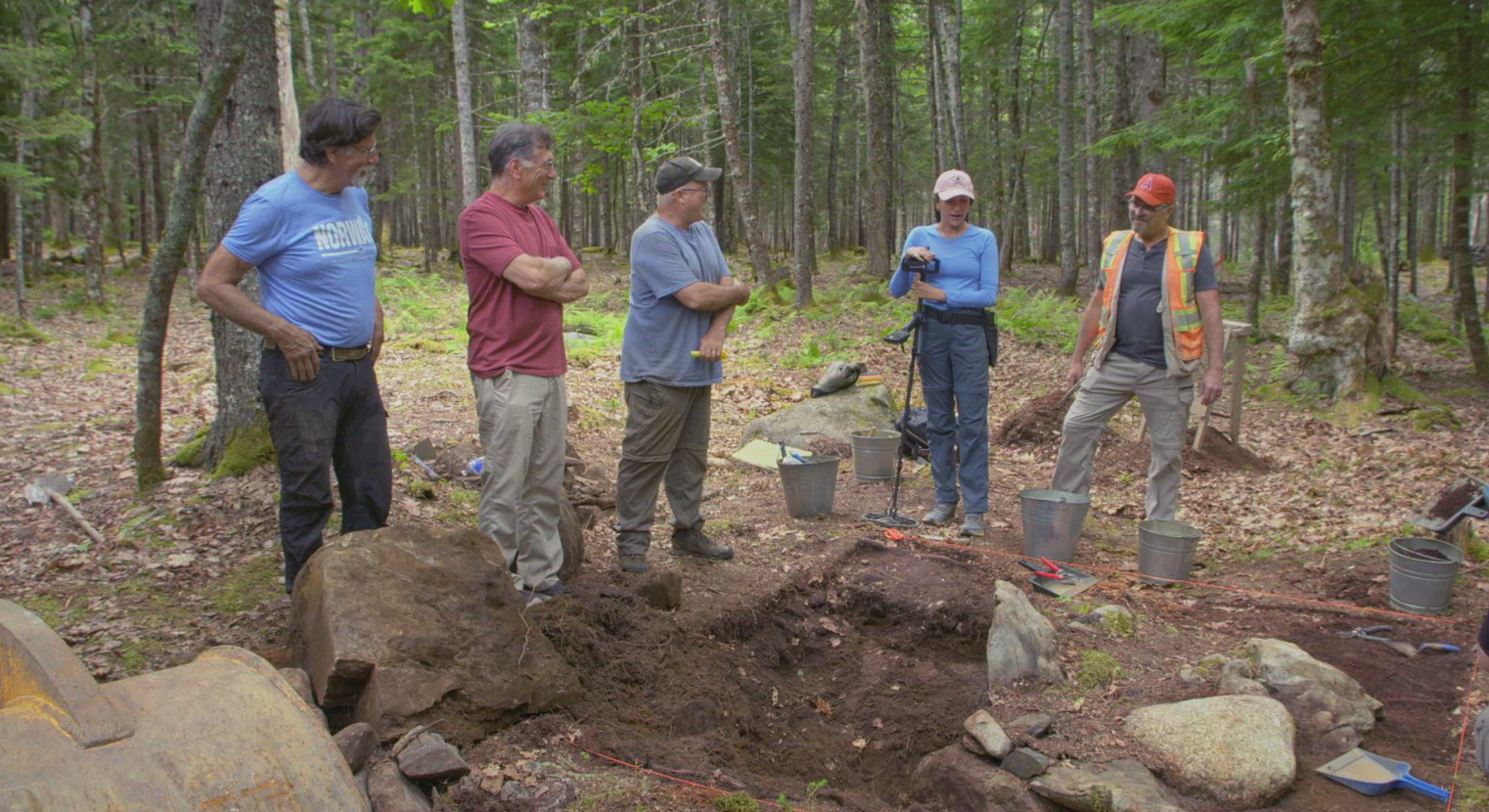
What started as routine metal detecting soon turned into one of the season’s most defining discoveries. And according to the team, the Western Swamp may hold the strongest physical evidence yet that Oak Island was engineered centuries ago — long before the Money Pit ever entered the legend.
A Discovery Hidden Beneath Centuries of Mud
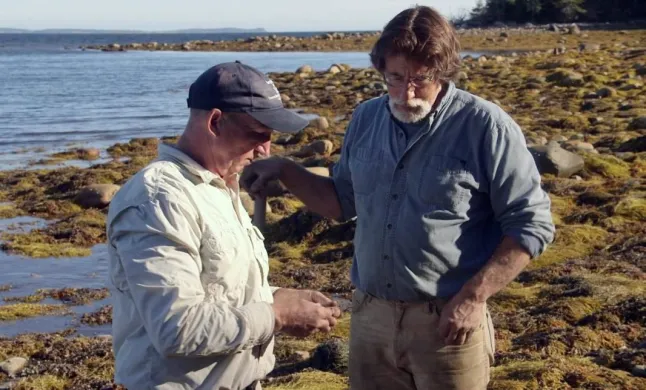
Metal-detecting expert Gary Drayton, alongside swamp specialist Derek Couch, returned to the Western Swamp expecting the usual: iron fragments, scrap, or nothing at all.
Instead, they uncovered a sequence of discoveries so deliberate, so organized, that the swamp’s entire purpose must now be reconsidered.
The first find was subtle but suspicious:
a long wooden log with its bark peeled away — the kind of preparation done by hand, not nature. The log had a consistent thickness, straight edges, and most critically, axe-cut marks.
Gary knelt beside it and said what everyone was thinking:


“Someone shaped this. This was placed here on purpose.”
Moments later, additional discoveries followed:
-
Multiple wooden stakes driven vertically into the mud
-
A second shaped log
-
Several iron objects matching the size and style of early construction tools or fasteners
The swamp wasn’t random.
It was structured.
The Corduroy Road Theory Gains Powerful New Support
As the team dug deeper, a new pattern emerged. The logs and stakes weren’t scattered by chance — they were aligned. Placed. Stabilized.
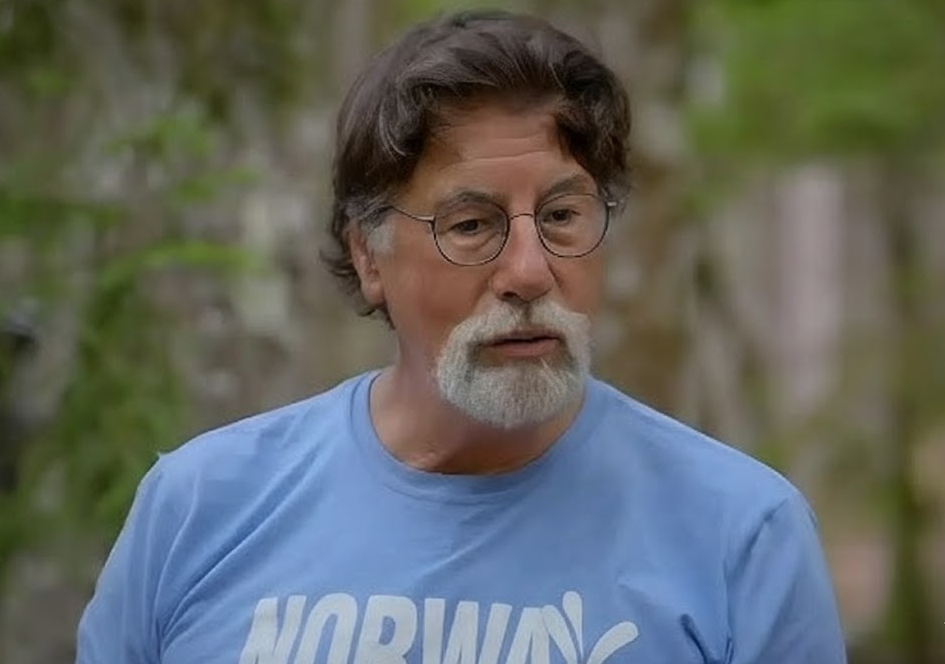
This alignment matched one thing perfectly:
a corduroy road, an ancient engineering technique used to build pathways across soft, wet, or unstable ground.
A corduroy road requires:
-
Removing bark
-
Cutting and shaping logs to size
-
Placing them side by side
-
Anchoring them with stakes or pegs
-
Ensuring a stable surface for transporting heavy loads
These were not amateur improvisations.
This was infrastructure.
Historically, corduroy roads were used by:
-
Medieval builders
-
Early miners
-
Military engineers
-
Maritime crews unloading cargo
-
Settlement teams constructing bases
And now, one may lie beneath Oak Island’s Western Swamp.
What Does a Road in the Swamp Actually Mean?
If this truly is a man-made road, it leads to earth-shaking implications:
1. The swamp was not always a swamp.
It may have been dry land, engineered, or even intentionally flooded later.
2. Someone was moving materials across this zone.
Logs, tools, supplies — possibly even treasure or construction stones.
3. The Western Swamp was a worksite.
Not a random swamp, not a geological accident — but a hub of activity.
4. This activity may predate colonial Nova Scotia.
The style of the logs, tools, and construction resembles early European or pre-industrial techniques.
Once again, Oak Island refuses to fit into the expected timeline.
A Growing Pattern Across the Island
This discovery in the Western Swamp doesn’t stand alone. It fits perfectly with other clues in Season 13:
-
Cut stakes found in previous episodes
-
Charcoal layers, suggesting fire or industry
-
Stone paths and paved features in the eastern swamp
-
Newly uncovered European-style iron artifacts
-
A medieval hand cannon discovered nearby
Piece by piece, the island is whispering the same message:
This was once a place of operations.
People worked here.
People built here.
People had a plan here.
And that plan appears to center around — not the Money Pit — but the swamp itself.
Conclusion: The Swamp Was Never Natural
With each new excavation, the Western Swamp looks less like a marsh and more like the remnants of a deliberate construction zone — built by a group with engineering knowledge, tools, and purpose.
The real question now is not whether humans built something here.
It is:
What were they trying to build…
and what were they trying to hide?