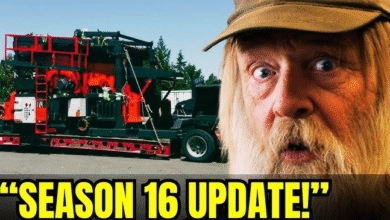
Gold Rush Season 16: Parker Schnabel Orders Tyson Lee to Fire ‘Weakest Link’ on Crew
‘Gold Rush’ Season 16: Parker Schnabel Draws a Hard Line as Crews Face Ruthless Pressure
Season 16 of Gold Rush continues to prove that survival in the Yukon isn’t just about finding gold — it’s about making brutal decisions under relentless pressure. In the latest episode, Parker Schnabel shows there is no room for hesitation, Rick Ness risks everything on a desperate move, and Tony Beets tightens his grip on resources, even at the cost of family harmony.
Parker Schnabel: No More Weak Links
With a massive 10,000-ounce goal looming, Parker Schnabel made one thing clear to his leadership team: anyone slowing production would be gone. This season, Parker handed foreman Tyson Lee more authority — and with it, the responsibility to make the toughest call a leader can face.
“Don’t be afraid to tell people to take a walk,” Parker told Tyson, setting the tone for the operation at Dominion Creek.

Under mounting pressure, Tyson began evaluating crew performance closely. One operator, Charlie Carleton, struggled repeatedly to clear tailings at wash plant Bob. Despite help from teammate Sandy Dubois, Charlie failed to improve. Meanwhile, Kayden Foote — a recent transfer from Kevin Beets’ crew — ran into problems controlling water flow and recovering pay at the Golden Mile cut, costing Parker thousands in lost gold.
Veteran miner Chris Doumitt stepped in to offer guidance, reminding Tyson that leadership means acting before problems spiral. Ultimately, Tyson made the call: Charlie was let go. Tyson felt the operator had oversold his experience and couldn’t deliver under pressure. Kayden survived — but was demoted to loader operator at Sulphur Creek.




The decision paid off immediately. At the weekly weigh-in, Parker’s three wash plants delivered a staggering 808.15 ounces in a single week. Roxanne at Sulphur Creek alone produced 350.70 ounces, some of the richest ground Parker has ever mined. Compared to just 288 ounces at the same point last season, Parker’s operation is surging — already surpassing $7.1 million in gold.
Tony Beets: Gold First, Feelings Later
Tony Beets also started the season strong, banking more than 1,000 ounces early toward his 6,500-ounce goal. But even success brings pressure.
At Indian River, Tony needed more stripping power to keep momentum. Short on equipment, he approached Parker about buying a dozer. Parker played hardball, asking $1.5 million. Tony countered with $1.3 million, but Parker refused to budge.
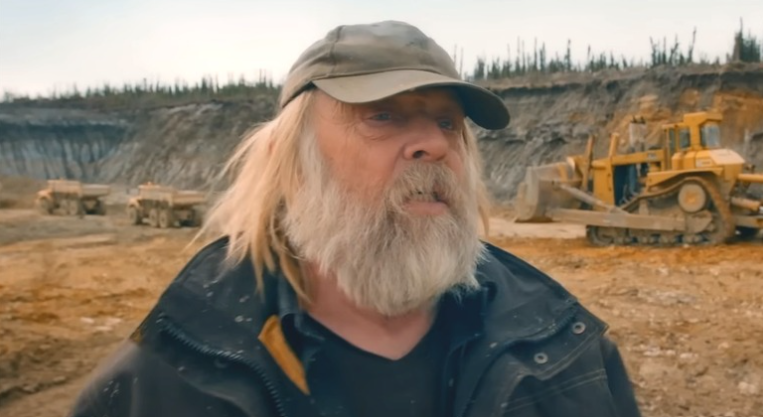
With no deal in place, Tony made a controversial move: he pulled equipment and crew from his son Mike’s operation at Paradise Hill and reassigned them to Indian River. Mike, eager to prove himself as an independent boss, was visibly frustrated. Tony initially promised the equipment would be gone “for a week,” but privately made it clear the decision would last as long as he deemed necessary.
Despite the tension, the strategy worked. Running Sluice-a-Lot 24 hours a day brought in 404.52 ounces in one weigh-in. After just a month, Tony’s operation had produced 1,430 ounces worth over $5 million.
Rick Ness: All or Nothing
While Parker and Tony pushed forward with force, Rick Ness found himself cornered. Without a water license at Duncan Creek, Rick made the bold decision to purchase the Lightning Creek claim outright — a $700,000 all-in bet based on limited testing.
“It’s probably one of the craziest things I’ve ever done,” Rick admitted.

To begin sluicing, Rick needed to relocate wash plant Rocky down a narrow, winding 300-foot track, with a creek on one side and a steep bank on the other. Complicating matters, longtime ally Brian “Zee” Zaremba had to leave, leaving Rick short-handed at a critical moment.
Still, with 1,800 ounces needed to save his season — and possibly his future — Rick pressed forward, knowing that hesitation could cost him everything.
The Season Tightens
As Season 16 unfolds, the margins grow thinner. Parker cuts without mercy, Tony consolidates power at all costs, and Rick gambles on one last shot. In the Yukon, gold doesn’t reward hesitation — and the pressure is only getting worse.