Oak Island Season 13: How Much Are the Treasure Hunters Really Paid? Inside the Team’s Salaries and Earnings
Oak Island Season 13: How Much Are the Treasure Hunters Really Paid? Inside the Team’s Salaries and Earnings
For more than a decade, The Curse of Oak Island has captivated millions of viewers with its promise of hidden treasure, ancient mysteries, and relentless digging. But while fans debate Templars, flood tunnels, and medieval artifacts, one question keeps resurfacing quietly online:
How much money do the people on Oak Island actually make?
The answer is more complex — and more revealing — than many expect.
The Lagina Brothers: Investors First, Talent Second
At the top of the operation sit Rick and Marty Lagina, the faces most closely associated with the show. However, unlike many reality TV stars, the Laginas are not simply paid participants.
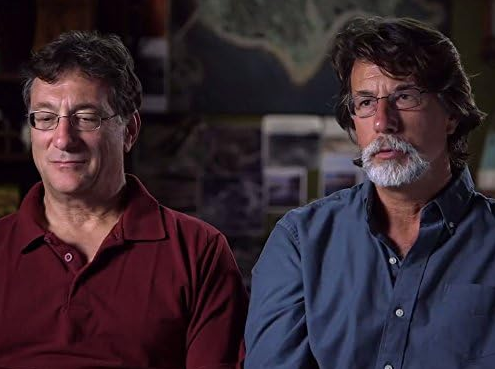
Marty Lagina is a successful engineer and energy entrepreneur whose personal wealth far exceeds typical television salaries. Insiders and industry estimates suggest that the Lagina brothers do not receive traditional per-episode “talent fees” in the same way other cast members might.




Instead, their compensation appears to come from a combination of:
-
executive producer roles
-
profit-sharing agreements
-
long-term licensing and syndication deals
-
indirect value generated through brand exposure
Rick Lagina, in particular, has often stated that he is not driven by money. Still, conservative estimates place his annual earnings from the show in the low-to-mid six figures, primarily from production-related compensation rather than salary alone.
Marty’s earnings are likely higher — but for him, Oak Island has always been a passion project, not a primary income source.
The Core Fellowship: Paid Experts, Not Treasure Hunters
Contrary to popular belief, most of the Oak Island team is not getting rich from treasure hunting.
Gary Drayton
The metal-detecting expert is among the most recognizable non-Lagina cast members. Industry estimates suggest Gary earns between $100,000 and $150,000 per season, combining appearance fees with consulting and expert compensation.

Gary’s income also benefits from increased visibility, including speaking engagements, private tours, and brand partnerships outside the show.
Charles Barkhouse
As a longtime Oak Island resident and operations manager, Charles is believed to receive a steady salary, likely in the $60,000–$90,000 per year range, reflecting both his on-site responsibilities and his on-camera role.
Jack Begley
Often seen as the enthusiastic everyman of the team, Jack’s compensation is estimated to be more modest. Most sources place his earnings between $40,000 and $70,000 per season, similar to other recurring reality TV participants without producer roles.
The Scientific Team: Salaried Professionals, Not TV Stars
One of the biggest misconceptions is that scientists on the show are “paid celebrities.” In reality, most are working professionals first.
Emma Culligan
As an archaeologist, engineer, and metallurgist, Emma’s compensation appears to align with professional consulting standards rather than celebrity pay. Estimates suggest:
-
$70,000–$100,000 annually, combining consulting fees, lab work, and appearance compensation.

Her real long-term value lies in career credibility and expanded opportunities within academia and private research.
Laird Niven
As the provincial archaeologist overseeing compliance and excavation integrity, Laird’s role is governed by professional and regulatory standards. His compensation is believed to be fixed and modest, consistent with archaeological oversight roles, rather than tied to ratings or screen time.
Why No One Gets Paid in “Treasure”
A common myth is that team members will share in any discovered treasure. In reality, Canadian law heavily regulates archaeological finds, and ownership rights are complex.
Most participants are paid only for their work, not for hypothetical treasure. Any major discovery would likely involve:
-
government claims
-
heritage protections
-
legal negotiations
-
academic oversight
Which means salary, not treasure, is the only guaranteed income.
The Real Reward: Exposure, Not Riches
For most of the Oak Island team, the show offers something far more valuable than immediate cash:
-
career advancement
-
professional recognition
-
consulting opportunities
-
global exposure
The irony is striking:
the show is about treasure, but very few people involved are actually getting rich.
Instead, they are paid like professionals — carefully, conservatively, and consistently.
Conclusion: A Job, Not a Jackpot
Despite the myths, The Curse of Oak Island is not a lottery ticket for its cast. It is a long-term production built on salaries, contracts, and professional agreements.
And after 13 seasons, one thing is clear:
The real treasure has always been the mystery — not the paycheck.