Gold Rush Season 16 : Parker Schnabel Prepares a Massive Machinery Investment That Could Redefine Modern Gold Mining
Gold Rush Season 16 : Parker Schnabel Prepares a Massive Machinery Investment That Could Redefine Modern Gold Mining
1. Thinking Beyond One Season
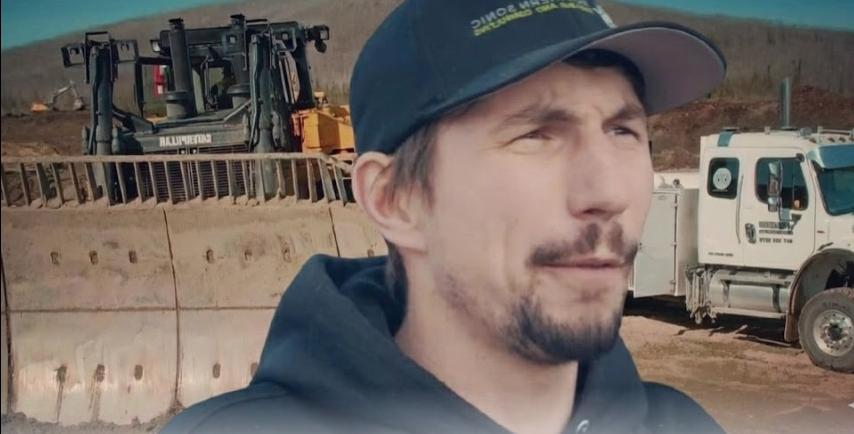
Parker Schnabel has never hidden his ambition, but this move signals something bigger than chasing weekly gold totals. In Gold Rush Season 16, Parker is quietly positioning himself for a future where efficiency, scale, and control matter more than brute force alone.
Rather than upgrading one machine at a time, Parker is targeting an entire production line—equipment designed to work together as a unified system. The goal isn’t just speed, but consistency. Fewer bottlenecks. Less downtime. More predictable output.
This kind of investment isn’t about patching problems. It’s about eliminating them before they appear. Parker understands that at the scale he now operates, small inefficiencies compound quickly. A delay in one area can stall everything else. By rethinking the production process from end to end, he’s aiming to remove those weak points entirely.
It’s a move that suggests Parker isn’t just mining gold anymore—he’s engineering an operation built for the long term.



2. Why This Gamble Is So Risky
A full production line doesn’t come cheap. The financial commitment behind this move is massive, and the margin for error is slim. Once Parker commits, there’s no halfway point. The system either delivers—or it becomes an expensive lesson.

What makes the gamble especially dangerous is timing. Mining seasons are short. If the machinery doesn’t perform immediately, Parker risks losing irreplaceable weeks. Training crews, dialing in processes, and adapting workflows all take time—time that the Yukon doesn’t offer generously.
There’s also pressure from expectation. When Parker invests at this level, the results aren’t optional. Every ounce is scrutinized. Every delay amplified. Success will reinforce his reputation as the most forward-thinking miner of his generation. Failure would raise uncomfortable questions about whether even Parker can outpace the limits of the industry.
Yet this is exactly where Parker thrives. He’s never been motivated by safety. He’s motivated by control—and this investment gives him more control than ever before.
3. What It Could Mean for the Industry
If Parker’s plan works, the implications extend far beyond his own crew. A fully integrated production line could change how large-scale gold mining is approached, especially in regions where time, labor, and logistics are constant challenges.
The focus shifts from individual heroics to systems. From reacting to problems to preventing them. It’s a philosophy more common in manufacturing than in traditional mining—and that’s what makes it disruptive.
Other miners will be watching closely. Not just for Parker’s gold totals, but for how smoothly the operation runs. If efficiency replaces chaos, Parker may set a new benchmark—one that forces others to rethink how they invest, plan, and scale.
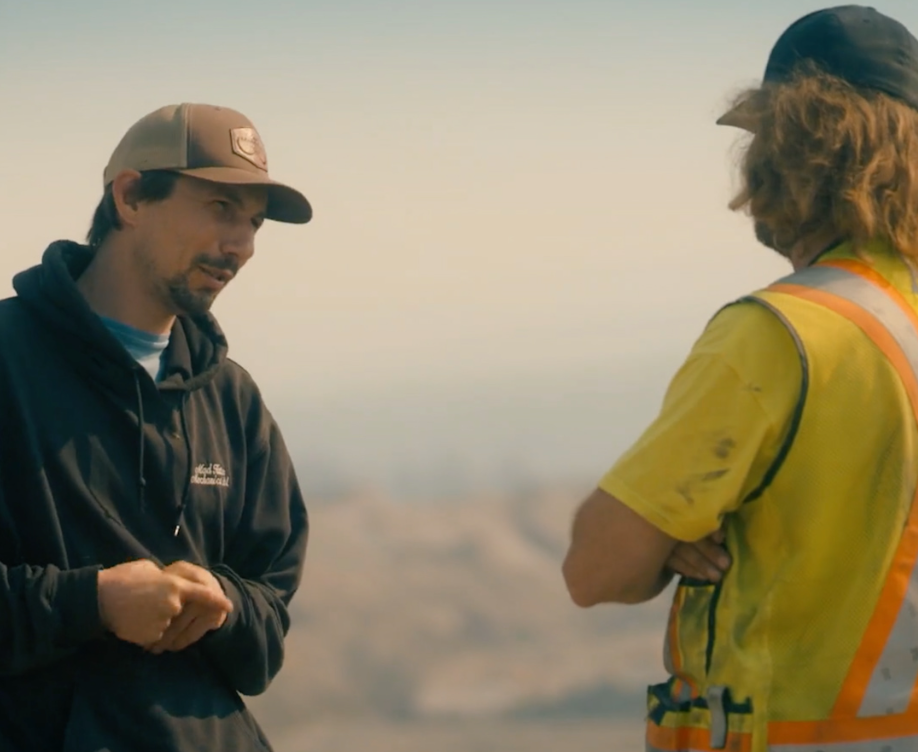
For Parker, this isn’t about proving he can win another season. It’s about proving he can build something that lasts longer than any single run of good ground. The machinery represents confidence in his vision—and a willingness to stake his future on it.
In Gold Rush Season 16, Parker Schnabel once again shows why he’s never content with the status quo. While others adapt to the season in front of them, Parker is already building for the seasons ahead. Whether this bold investment becomes his greatest success or his most expensive risk, one thing is certain: the game is about to change.