General Hospital Head Writers Explain Why Willow Was the Perfect Choice as Drew’s Shooter
General Hospital Head Writers Explain Why Willow Was the Perfect Choice as Drew’s Shooter
1️⃣ Why Willow—and Why Now
When the truth about who shot Drew finally came out, the reaction was immediate and intense. Many fans were shocked, others conflicted—but according to General Hospital head writers Elizabeth Korte and Chris Van Etten, that emotional divide was exactly the point. Choosing Willow wasn’t about surprise for surprise’s sake. It was about story integrity.

The writers explain that Willow sat at the emotional crossroads of multiple long-running arcs. She wasn’t the most obvious suspect—and that’s precisely why she worked. Viewers trusted her. Characters trusted her. That trust made the betrayal, once revealed, land with devastating force.
From the writers’ perspective, Drew’s shooting needed to come from someone emotionally close, not a traditional villain. The impact had to ripple through families, relationships, and moral assumptions. Willow wasn’t just a choice—she was the only choice that truly upended the canvas.
2️⃣ A Story Rooted in Trauma, Not Villainy
Korte and Van Etten are clear on one crucial point: this was never meant to turn Willow into a one-note villain. Instead, the storyline was designed to explore pressure, trauma, and emotional fracture. Willow didn’t act out of cruelty—but out of a breaking point that had been building quietly for months.

The writers emphasize that Willow’s history of loss, fear, and instability created fertile ground for a moment where control slipped. She wasn’t plotting a crime—she was unraveling. That distinction mattered deeply in the writers’ room.
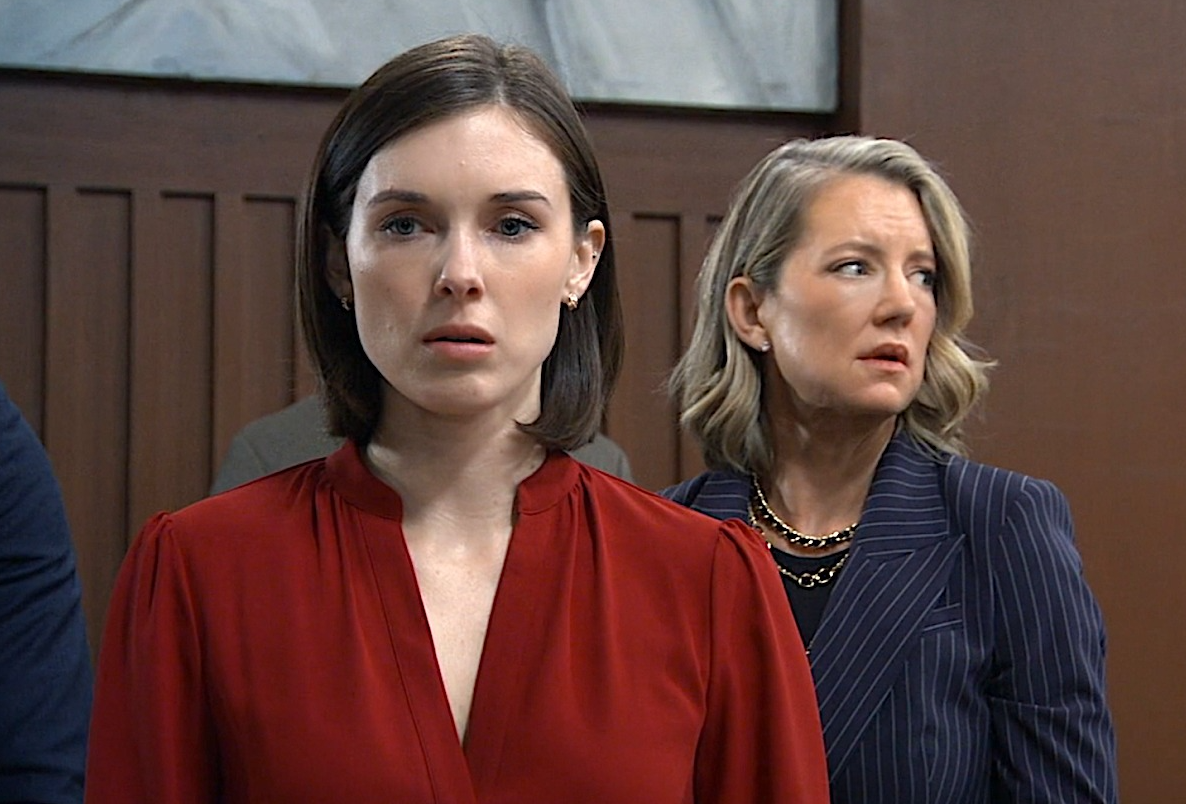
By choosing Willow, the show was able to tell a story about how even the most gentle-seeming people can reach a dangerous edge when pushed far enough. It also allowed the aftermath to be just as complex as the act itself—filled with guilt, denial, and internal reckoning rather than clear-cut evil.
This choice reframed the shooting as a tragedy rather than a whodunit stunt, grounding the story in emotional realism.
3️⃣ The Fallout Is the Real Story
According to the head writers, the reveal itself was only the beginning. What interested them most was what happens after—how Willow lives with what she’s done, how Drew processes the truth, and how Michael and others navigate the wreckage left behind.
Willow being the shooter forces every character involved to confront uncomfortable truths. Love doesn’t erase consequences. Good intentions don’t undo harm. And forgiveness, if it comes at all, will be earned slowly—if ever.
The writers also point out that this storyline repositions Willow permanently. She can’t go back to who she was, and neither can the people who loved her. That irreversible shift is what gives the reveal lasting weight.
In the end, Korte and Van Etten stand firmly behind the decision. Willow wasn’t chosen because it was easy. She was chosen because it was honest, painful, and transformative—the kind of storytelling General Hospital was built on.
And as the fallout continues to unfold, one thing is clear: Drew’s shooting didn’t just change a storyline—it changed the emotional DNA of Port Charles itself.