Parker Schnabel: Inside the High-Pressure World of Gold Rush’s Youngest Powerhouse
Parker Schnabel: Inside the High-Pressure World of Gold Rush’s Youngest Powerhouse
Parker Schnabel’s rise in modern gold mining has few parallels. Introduced to heavy machinery before most children learn to ride a bicycle, Schnabel grew up at his grandfather John Schnabel’s Big Nugget Mine in Haines, Alaska. The operation was not a backdrop to childhood but a classroom, where work ethic, problem-solving and responsibility were learned early. By his teenage years, Schnabel was already deeply involved in day-to-day mining decisions, absorbing lessons that would later define his approach to leadership.
When John Schnabel died in 2016, the burden of responsibility fell fully on Parker’s shoulders. At an age when many of his peers were choosing universities, Schnabel made a different decision. He invested his entire college fund into mining equipment, expanding operations rather than stepping away from them. The choice marked a turning point, setting him on a path that would soon be documented by millions of viewers around the world.
Schnabel joined Gold Rush at just 16. Producers were initially uncertain whether a teenager could carry such a demanding storyline. That doubt quickly faded. Schnabel demonstrated a rare combination of technical knowledge, composure under pressure and an ability to articulate mining strategy without rehearsal. His calm command of heavy machinery and clear understanding of production logistics distinguished him from older, more established miners.

As the series gained popularity, Schnabel’s responsibilities grew alongside it. He was no longer just a promising young miner on television, but the leader of large crews operating in some of the most challenging conditions in the Yukon. Early success brought credibility. One season in the Klondike, his team recovered more than 1,000 ounces of gold, a result that cemented his reputation as a serious operator rather than a television curiosity.
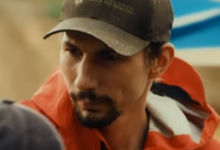



That reputation was tested repeatedly as Schnabel pursued increasingly ambitious projects. The purchase of Dominion Creek for $15 million represented his most significant commitment to date. The claim was widely known for its long-term potential but also for the scale of investment required to make it viable. Early production setbacks, frozen ground and mechanical problems placed immediate strain on the operation, forcing Schnabel to make rapid, costly adjustments to keep the season on track.
Rather than retreating, Schnabel expanded. In early 2025, he acquired additional claims at Gold Run and Sulphur Creek, redirecting equipment and crews across difficult terrain. Initial returns from the new ground offered reassurance, but the move also highlighted the constant pressure that defines large-scale mining. Each decision carried financial consequences, compounded by the narrow seasonal window in which gold can be recovered.
Throughout his career, Schnabel’s professional relationships have been as significant as the ground he mines. His long-running interactions with Tony Beets reflect a complex mix of rivalry and respect. Their early leasing agreements placed Schnabel at a disadvantage, particularly as escalating royalty structures reduced profitability. Tensions between the two became some of the most closely watched moments on Gold Rush, illustrating the realities of competition in the Yukon rather than scripted conflict.

Equally notable was Schnabel’s rivalry with Todd Hoffman, which highlighted contrasting approaches to mining leadership. While Hoffman emphasised tradition and experience, Schnabel focused on efficiency, data and output. Their disagreements extended beyond interviews and into real operational disputes, eventually culminating in Hoffman’s departure from the series.
Away from the mine, Schnabel’s personal life has unfolded largely outside the spotlight, though not without public interest. His relationship with Ashley Youle, a veterinary nurse who worked alongside him in the Klondike, ended after two years, a separation Schnabel later described as one of his regrets. Subsequent speculation about his private life has largely remained unconfirmed, with Schnabel choosing not to address rumours directly.
Behind the camera, pressures have also surfaced. Production disputes during Parker’s Trail and a legal disagreement involving a former cameraman revealed the strain of balancing real-world risk with television storytelling. Even minor incidents, such as a small traffic citation in Alaska, attracted disproportionate attention, reflecting how closely Schnabel’s life is scrutinised.
Despite reported earnings of around $100,000 per episode and tens of millions in gold recovered by his crews, Schnabel’s lifestyle remains relatively restrained. He has consistently stated a preference for reinvesting in operations rather than accumulating visible wealth. Vehicles and equipment represent tools rather than trophies, and experiences with family and crew appear to take precedence over luxury.
In recent seasons, Schnabel has faced some of his toughest challenges, including equipment failures, permitting delays and severe cash-flow pressure. At one point, his operation came close to stalling entirely before a strong gold recovery stabilised the season. Much of this tension never fully reached the screen, edited for narrative balance rather than intensity.
Now in his late twenties, Parker Schnabel stands as one of modern mining’s most closely observed figures. His journey reflects not just success, but the sustained pressure of leadership, decision-making and responsibility played out under public scrutiny. As Gold Rush continues, Schnabel remains defined less by spectacle than by persistence — a miner shaped by early lessons, evolving with every season beneath the Yukon soil.