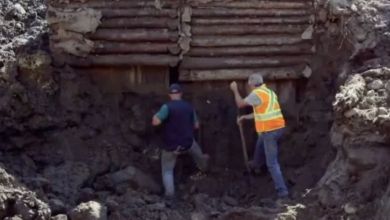
What They Found Beneath This Massive Boulder Shocked The Oak Island Team
A new discovery on Oak Island is being described as one of the most compelling pieces of evidence uncovered in more than two centuries of exploration. During recent excavations featured on The Curse of Oak Island, the team identified a massive stone structure on Lot 8 that appears to conceal a carefully engineered shaft beneath it — a finding that could significantly alter the direction of the investigation.
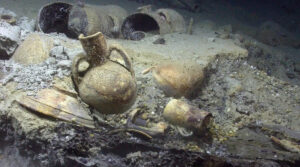
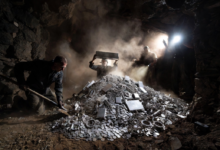
The discovery centres on a 40,000-pound boulder, positioned with remarkable precision over a ring of smaller stones. When the team removed the boulder, they found not natural soil, but what appears to be deliberately backfilled material forming a vertical shaft. Crucially, there is no historical record of this feature being disturbed by previous searchers, suggesting it has remained untouched since its original construction.
For researchers long accustomed to ambiguous clues and disrupted sites, the intact nature of this structure stands out. The arrangement of stones beneath the boulder — forming what experts describe as a cradle-like base — indicates intentional placement rather than natural formation. Archaeologist Fiona Steele noted that the feature does not resemble any known geological pattern in Nova Scotia, reinforcing the conclusion that it is man-made.
Further analysis has deepened the mystery. Soil samples taken from within the shaft were examined by geoscientist Dr Ian Spooner using X-ray fluorescence technology. The results revealed unusually high concentrations of silver and lead, alongside chemical signatures associated with controlled underground fire activity. These findings point to a specific mining technique historically used in medieval Europe to ventilate deep shafts.

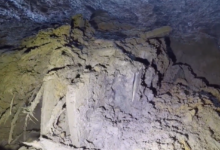
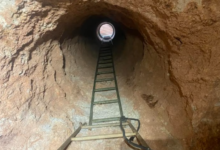
Such evidence suggests that whoever constructed the feature possessed specialised knowledge of underground engineering. The use of fire to circulate air would only have been necessary in a shaft of considerable depth, implying a level of planning and technical capability far beyond casual excavation. According to experts involved in the project, this combination of structural design and chemical evidence strongly indicates deliberate, organised activity rather than accidental or exploratory digging.
The implications extend beyond engineering.

The presence of silver within the sealed soil is particularly significant. Dr Spooner, who has analysed samples from across the island, reported that he had never encountered a similar signature elsewhere on Oak Island. Because the readings were taken from within a contained, backfilled structure, researchers believe the silver is directly associated with whatever lies beneath, rather than being introduced from surrounding soil.
For the team, this convergence of evidence marks a rare moment of clarity in a search often defined by uncertainty. The sealed shaft, the engineered stone arrangement, and the chemical data all point toward a single conclusion: the site was constructed with a specific purpose, and that purpose likely involved concealing something of value.
Historical context adds another layer to the discovery.
Previous finds on Oak Island have included coins dating back several centuries, including examples linked to European origins. Combined with earlier discoveries such as a stone roadway believed to be of Portuguese origin, the new evidence is strengthening theories that the island may have been visited by organised groups from Europe long before modern settlement.
Some researchers now suggest that the Lot 8 structure could form part of a broader network of engineered features across the island, all connected by a shared purpose. The scale of the effort required to move and position a 20-ton boulder, construct a shaft, and then conceal it so effectively points to a coordinated operation rather than an isolated act.
Despite the growing excitement, the team is proceeding with caution.
Oak Island’s history is marked by discoveries that raised expectations but ultimately led to further questions. The island’s complex underground environment, including its well-documented flood systems, has repeatedly disrupted excavation efforts. Learning from past experience, the current team is prioritising careful documentation and controlled excavation over rapid progress.
Rick Lagina, one of the leading figures in the search, has emphasised the importance of preserving the integrity of the site. Rather than immediately digging deeper, the team is conducting detailed cross-sectional analysis of the structure to better understand its composition and stability before proceeding further.
One of the most intriguing aspects of the discovery is what has not been found.
Unlike many archaeological sites, the area around the shaft contains no obvious artefacts such as tools, clothing, or debris left behind by its builders. This absence may itself be significant. It suggests that whoever constructed the feature either removed all traces of their presence or operated in a way that left minimal evidence, reinforcing the idea of a carefully planned and executed project.
For now, the focus remains on what lies beneath.
As excavation continues, the team hopes to determine whether the shaft extends deeper and whether it leads to a chamber or deposit. If so, it could represent one of the most important discoveries in the history of Oak Island — not only in terms of potential material value, but also in understanding the origins of the island’s enduring mystery.
After more than 230 years of speculation, the discovery on Lot 8 offers something rare: a feature that appears untouched, deliberate, and rich in evidence. Whether it ultimately reveals the long-sought treasure or simply adds another layer to the island’s complex history, it has already become a defining moment in the search.