Oak Island Season 13 Episode 8 : One Borehole That May Change Everything
Oak Island Season 13 Episode 8 : One Borehole That May Change Everything

1. One Borehole, One Very Different Result
Episode 8 of The Curse of Oak Island centers on a borehole that initially appeared routine. The goal was simple: test a targeted area based on accumulated data from previous digs. But almost immediately, the results felt different. As drilling progressed, the team encountered disturbed layers at depths matching earlier discoveries, suggesting this was not an isolated anomaly.
What made this borehole stand out was not a single dramatic artifact, but consistency. The materials recovered—soil composition, wood fragments, and subtle structural indicators—mirrored findings from other key zones across the island. For the first time this season, the evidence did not contradict itself. It aligned.
Rick Lagina was quick to note that Oak Island rarely offers repetition without purpose. In a place defined by chaos and false leads, repetition can be the clearest signal of intent.
2. Why This Borehole Matters More Than the Others
Oak Island has seen countless boreholes over the years, many producing brief excitement before fading into disappointment. Episode 8 feels different because this borehole fits into an emerging pattern. Its depth corresponds with previous zones of interest. Its material profile echoes known points tied to human activity. And its location strengthens the idea that these discoveries are connected, not random.


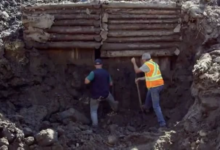

This challenges one of the longest-standing explanations for Oak Island’s mystery—that centuries of digging simply created a confusing underground mess. Instead, Episode 8 suggests something far more unsettling: that beneath the island lies a coordinated system, carefully constructed and intentionally concealed.
If true, this borehole isn’t just another hole in the ground. It’s a confirmation point.
3. Water, Pressure, and the Island’s Familiar Resistance
As drilling continued, the team once again encountered water behavior that raised alarms. The response of the ground—changes in pressure, moisture, and resistance—mirrored conditions seen near suspected flood-control zones.
Rather than treating water as a natural obstacle, the team began discussing it as a functional element of whatever exists below. This reinforced theories that Oak Island’s underground features may have been designed to react when disturbed, slowing or redirecting intrusion.
The borehole did not reveal treasure, but it revealed how the island defends itself. And that realization carries more weight than any single artifact.
4. A Shift in Tone That Says Everything
One of the most telling aspects of Episode 8 is not what was found, but how the team responded. There was no celebration, no premature conclusions. Instead, discussions became measured and strategic. Marty Lagina emphasized limitations and risk. Rick focused on historical meaning rather than payoff.
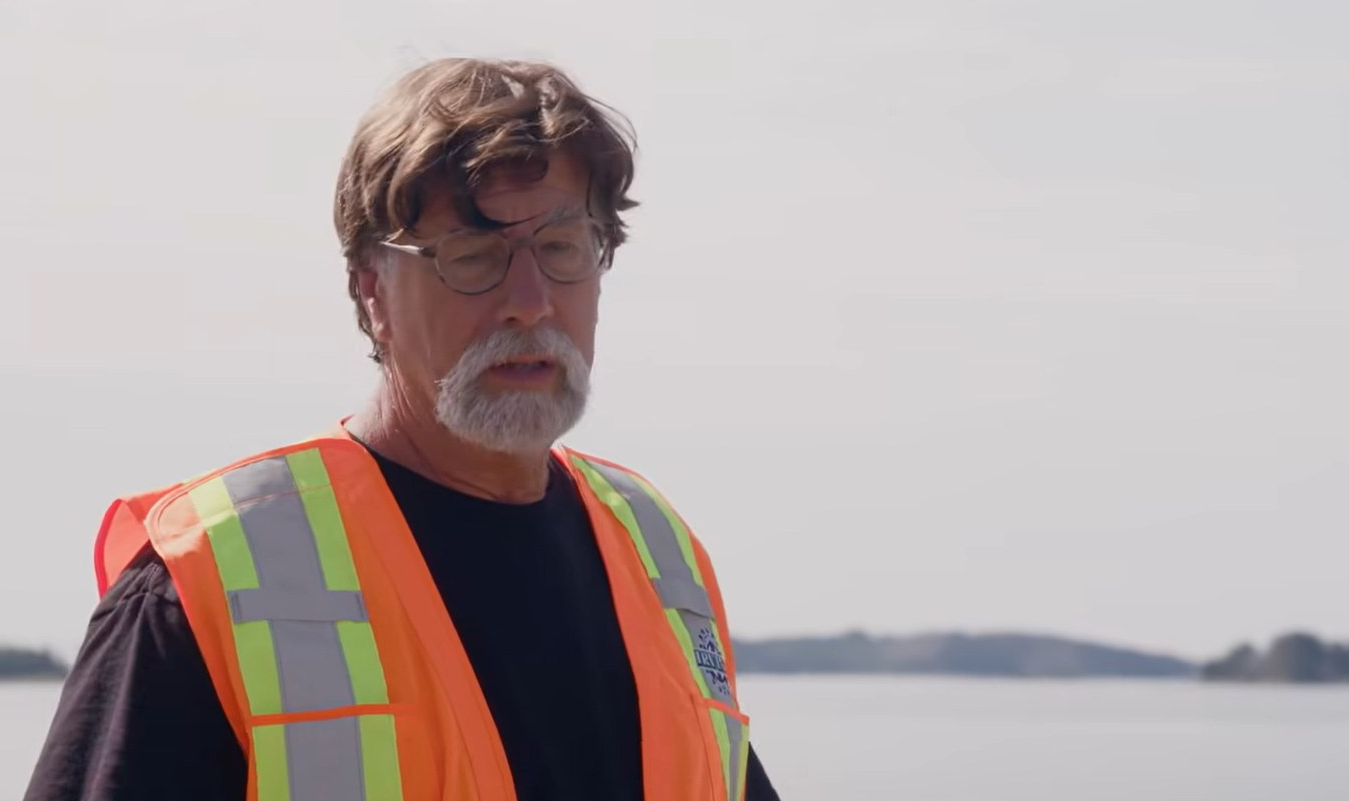
This change in tone suggests the team understands they may be approaching a decisive moment. If the system theory holds, continuing to drill blindly could destroy the very evidence they are trying to interpret. The borehole has forced a choice: push harder, or slow down and rethink everything.
That tension defines the episode.
5. Why Episode 8 Feels Like a Turning Point
Episode 8 doesn’t deliver answers—it delivers direction. The borehole connects past discoveries into a coherent framework, transforming speculation into something closer to structure. It suggests Oak Island is not hiding chaos, but design.
And design implies purpose.
Whether that purpose was to protect treasure, control access, or conceal something far more complex remains unknown. But after this episode, one thing is clear: Oak Island is no longer just reacting to the team’s efforts. It is revealing how it was meant to be understood.
One borehole may not solve the mystery—but it may have finally shown the path forward.