James May Defends His Position, Rejects Apology for Being an “Old White Man” Amid Controversy Over Pride Remarks
James May Defends His Position, Rejects Apology for Being an “Old White Man” Amid Controversy Over Pride Remarks
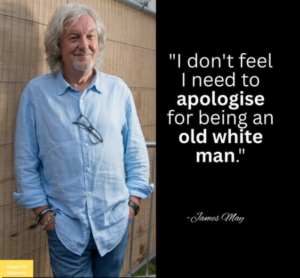
Former “Grand Tour” host James May has boldly rejected the notion of apologising for his identity, stating he has no need to “apologise for being an old white man.” The 62-year-old presenter responded to criticisms of his recent comments, which included a statement about Pride celebrations being “hijacked” and his description of excessive LGBTQ+ rainbow bunting as “authoritarian.” In a candid interview with The Telegraph, May defended his stance, explaining he had no intention of apologising for his background, as he felt the concept of “white men being the root of all problems” oversimplifies complex issues.
May further elaborated on his thoughts, adding: “You do see people saying white men are the root of all problems, and I’m sure we have been the root of many of them. But I certainly don’t feel obliged to go round apologising for being an old white man, because I can operate a screw-cutting lathe and most people can’t.” His remarks came in response to an ongoing debate sparked by his comments about Pride, where he controversially claimed that the proliferation of Pride flags and bunting could be seen as an oppressive and authoritarian gesture.
May’s comments about Pride, made public on social media, sparked a backlash, with some accusing him of diminishing the significance of the LGBTQ+ community’s struggles. In his post, May referenced historical events, stating that “too much bunting” may have been an early sign of authoritarianism and even connected it to the beginning of World War II. While his views were met with criticism, May’s insistence on freedom of speech and the notion that Pride’s symbols were becoming too overwhelming resonated with others who felt the same.

End of an Era: The Grand Tour Hosts Part Ways
May’s comments come at a time when he and his co-hosts, Jeremy Clarkson and Richard Hammond, are no longer working together on The Grand Tour, marking the end of their long-running television partnership. After 21 years, it was announced earlier this year that the trio would not be working together again, with a final special filmed in Zimbabwe already aired. Hammond later confirmed the decision was entirely theirs, emphasizing that the trio had chosen to control the timing and circumstances of their departure. While May’s comments on Pride and his unapologetic stance on his identity have garnered attention, it seems the present and future of his career may be influenced by the changing media landscape.
This year’s penultimate special of The Grand Tour hinted that the beloved trio would be parting ways, a decision that marked the conclusion of an era for car enthusiasts and fans of their unique style of humor. The controversy surrounding their departure from the BBC after Clarkson’s infamous altercation with a producer in 2015 led the team to create The Grand Tour for Prime Video, where they continued to rake in millions per year, with Clarkson reportedly earning £10 million annually and May and Hammond each receiving £7.2 million.
The Shift from Top Gear to Controversial Remarks
James May’s comments have not been limited to his views on farming or Pride. May has also made headlines for his candid, often controversial opinions, including his infamous criticism of the BBC. After Clarkson’s departure from Top Gear, May and Hammond’s subsequent move to Amazon Prime Video marked a significant change in their careers, but it also led to a more public and outspoken version of May.
In June, May sparked further debate with his social media post about Pride flags in London, where he described the displays as excessive. He noted that, while he admired the progress Pride had made over the years, he found the display of flags and bunting to be overbearing, even comparing it to historical moments of excess that led to more oppressive regimes. His comments, although filled with humor, were polarizing, with many accusing him of failing to acknowledge the importance of Pride in fostering inclusivity and raising awareness.
May’s Legacy and the Future of Media Personalities
May’s ongoing defiance of political correctness and his unapologetic stance on his identity highlight a broader debate in the media. His remarks about Pride, his role as a “man of a certain age,” and his refusal to conform to societal expectations about apologies reflect a media landscape that is becoming increasingly polarized. As the BBC navigates its future in a changing broadcasting world, May’s comments serve as a reminder of the challenges public figures face when expressing controversial opinions.
While the backlash against May’s comments continues, his supporters remain steadfast, championing his right to speak his mind. Clarkson and Hammond, who have often supported May’s blunt commentary, are likely to stand by their colleague’s right to voice his opinions, no matter how controversial they may seem. As for May, despite his recent remarks, he remains a prominent figure in the world of television and media, balancing humor, controversy, and an unflinching belief in free speech.
Whether or not his views on Pride, farming, or his identity will shape his future career remains to be seen. But one thing is certain—James May is not one to apologize for speaking his truth. The conversation surrounding his remarks continues, and only time will tell what role he will play in the next chapter of British television and the ever-changing media landscape.