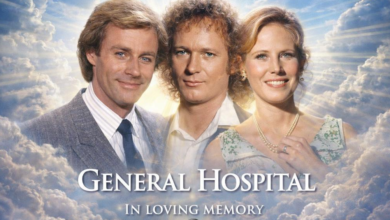
Anthony Geary and the Art of Refusal — Why He Never Compromised, Even When Fans Begged
Anthony Geary and the Art of Refusal — Why He Never Compromised, Even When Fans Begged
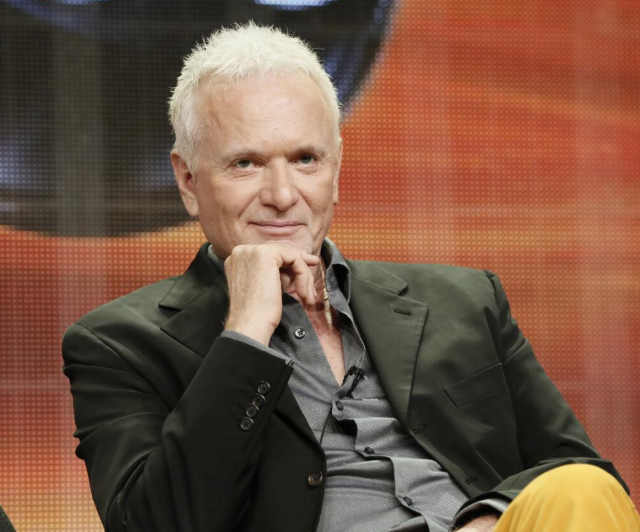
Anthony Geary was never interested in playing it safe. Throughout his decades on General Hospital, he built a reputation not just as a legendary performer, but as an uncompromising artist—one who refused to deliver shallow emotion, easy answers, or fan-friendly shortcuts. That mindset defined his work, shaped Luke Spencer, and often put him at odds with expectations from both viewers and the industry.
At a time when soap operas thrived on predictability, Geary pushed in the opposite direction. He openly challenged scripts he felt were hasty or emotionally hollow. If a scene lacked motivation or emotional truth, he questioned it. If a storyline simplified complex trauma or reduced Luke Spencer to a caricature, he resisted. For Geary, entertainment without honesty was meaningless.
Writers who worked during Geary’s era often described him as demanding—but not difficult. His objections were never about ego or screen time. They were about depth. He believed characters should behave like real people, shaped by experience and consequence, not by audience comfort. Luke Spencer, in Geary’s eyes, was not meant to be liked at all times. He was meant to be understood.
This philosophy explains why Luke Spencer remained one of the most complicated figures in daytime television. Geary refused to sand down Luke’s rough edges, even when fan backlash grew loud. When viewers wanted redemption without accountability, Geary pushed back. When fans wanted romance without reckoning, he declined. Luke’s darkness, guilt, and contradictions were not flaws to be erased—they were the point.




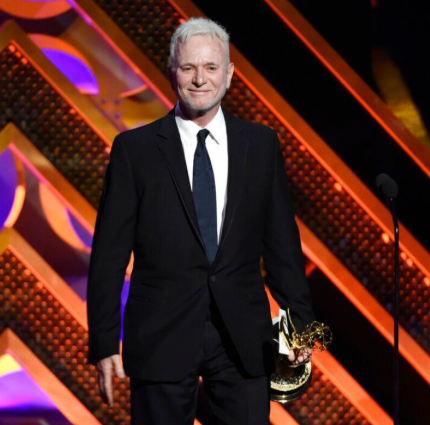
Anthony Geary also rejected the idea that fan service should dictate storytelling. While many performers lean into audience approval, Geary believed that chasing praise weakened the work. He often said that if a performance was universally comfortable, it probably wasn’t honest enough. This belief made him an outlier in an industry that increasingly values instant reaction and popularity metrics.
That refusal to “play to the crowd” explains why Geary walked away from General Hospital multiple times. When the show’s direction no longer aligned with his artistic standards, he left—despite being at the height of fame. To him, longevity meant nothing without integrity. Fame was temporary; truth was not.
Geary’s insistence on emotional realism also raised the bar for those around him. Scene partners often noted that working with him required preparation and vulnerability. He did not tolerate shortcuts. If a moment demanded silence, he let it breathe. If pain needed to linger, he allowed it to be uncomfortable. That commitment elevated entire story arcs and forced the show to slow down and listen.
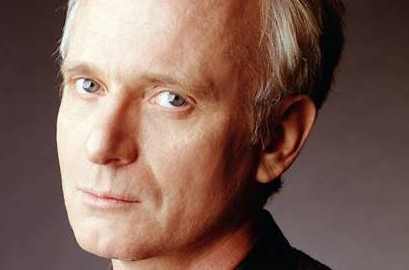
This uncompromising approach didn’t always make Anthony Geary easy to market—but it made him unforgettable. Luke Spencer wasn’t beloved because he was charming. He was remembered because he was real. His mistakes weren’t erased. His past wasn’t rewritten. His growth came with scars—and that authenticity is precisely why the character endures.
Today, as General Hospital continues to honor its history, Anthony Geary’s philosophy remains deeply relevant. In an era of fast storytelling and instant gratification, his work stands as a reminder that great drama requires patience, discomfort, and courage. He proved that respecting the audience doesn’t mean pleasing them—it means trusting them to handle the truth.
Anthony Geary never compromised because he didn’t believe art should. And in refusing to soften his vision, he gave General Hospital something far more valuable than fan service: a standard.