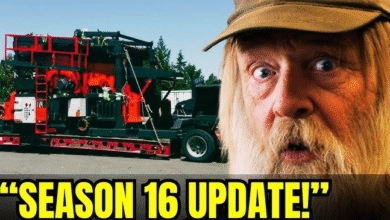
Gold Rush Season 16: After Episode 4, Parker Schnabel’s Expansion Surges — but Is He Building a Monster He Can’t Control?
In Gold Rush Season 16, Parker Schnabel is operating at a scale few miners in Yukon history have ever attempted. Three wash plants roaring simultaneously. Dozens of trucks running around the clock. Massive cuts opened at Dominion Creek and Sulphur Creek. And after Episode 4, Parker’s gold totals have surged past last season’s pace by more than 1,100 ounces.

On paper, the numbers look spectacular. In reality, they raise a far bigger question:
Can Parker actually sustain an expansion this large — not just for one season, but moving forward?
Because behind the million-dollar weeks and revived confidence, everything about Parker’s new operation suggests that he may be entering territory even he cannot maintain without consequences.
The Power of Three Plants — And the Weight They Bring
Running a single wash plant in the Yukon is already a full-season ordeal: fuel, operators, mechanics, repairs, water management, and the constant fight against weather. Running two wash plants is something only a handful of seasoned crews attempt.



Running three, this early in the season?
That is Parker Schnabel breaking his own limits.
His three-plant lineup — Big Red, Roxanne, and the newly moved Sulphur Creek setup — has generated impressive returns. Episode 4 alone yielded 527 ounces, worth roughly $1.1 million. That kind of output shows why Parker dominates the modern gold game. His ambition is unmatched, and when everything goes right, the results are enormous.

But every extra plant doubles the stress on infrastructure. Triple the dirt. Triple the repairs. Triple the operators. Triple the risk.
And that’s where the sustainability question surfaces.
The Cost Curve Is Rising Faster Than the Gold Totals
The public sees the gold weigh-ins.
The crew sees something different: the bill that comes with them.
Three wash plants burn through:
-
Fuel at an extreme rate
-
Tires and hydraulic hoses
-
Haul trucks, bearings, and engine hours
-
Critical parts that are always in short supply mid-season
-
Mechanic labor, especially when the crew is already stretched thin
Even getting Roxanne to Sulphur Creek required a dangerous 25-mile relocation through rough terrain — a move that consumed time, manpower, and money long before a single ounce of gold came out of the sluice.
Parker’s operation has become so large that each additional step creates exponential cost. And while the gold output is impressive, the expenses have grown even faster.
The real concern is simple:
High production only matters if the margins don’t disappear.
Three Plants Means Three Points of Failure
Parker’s team is talented, but they are not limitless.
Mitch Blaschke and Brennan Ruault are each running on fumes trying to juggle operators, mechanics, and breakdowns. Tyson Lee is absorbing more responsibility than ever. New recruits are still learning. Trucks and excavators are pushed to their limits day after day.
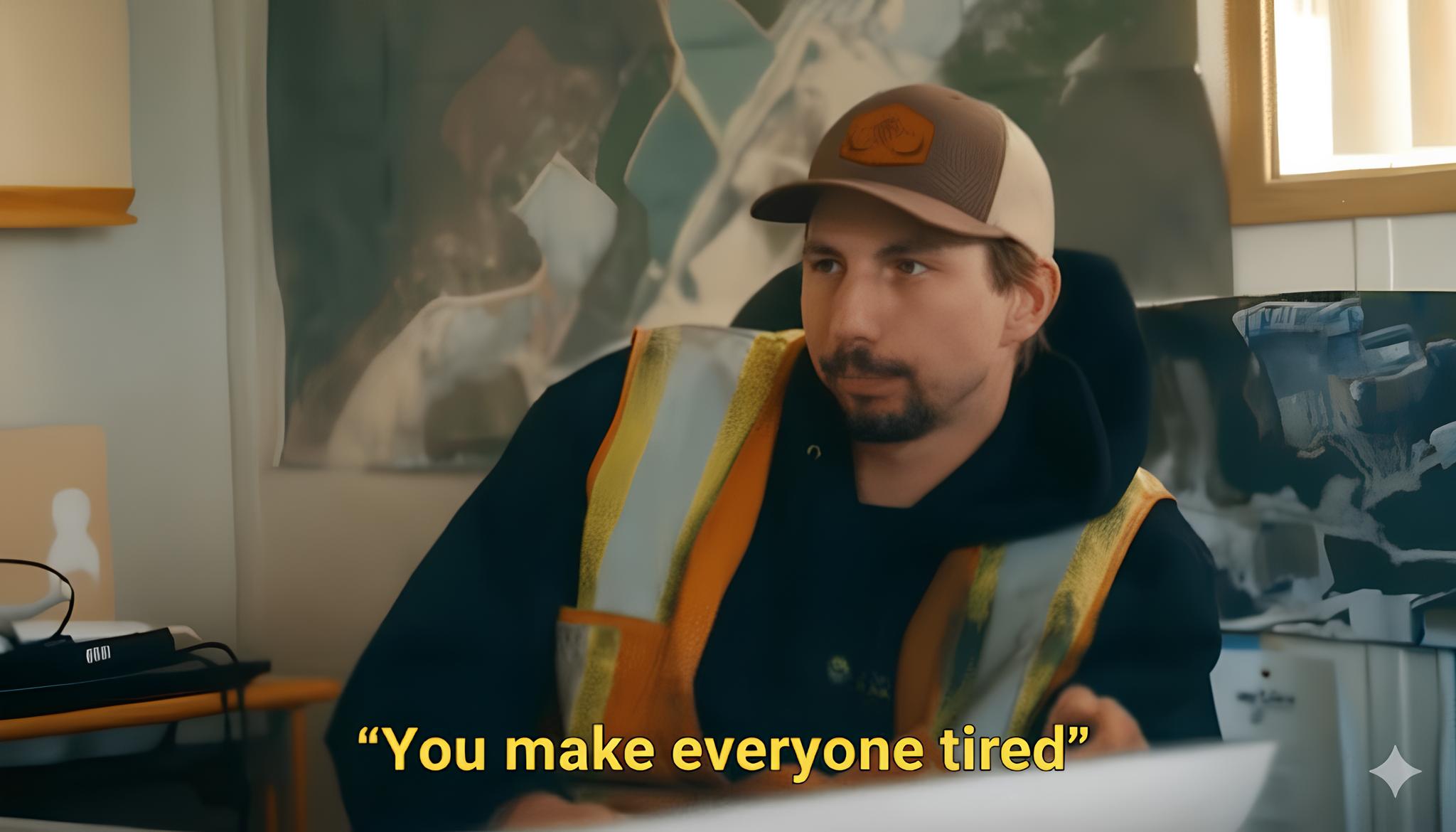
With the pressure to stay ahead of last year’s numbers, the crew is teetering on the edge of burnout.
And burnout is when mistakes multiply:
-
missed inspections
-
rushed repairs
-
overlooked warning signs
-
operators running too long on too little sleep
One breakdown is manageable.
Two breakdowns slow production.
Three breakdowns with three plants running can derail an entire week.
This is exactly the kind of scenario that can turn a strong season into a dangerous one.
The Bigger Parker Builds, the Harder It Is to Pull Back
The biggest quiet truth about Season 16 is this:
Once Parker commits to an expansion this large, shrinking back becomes nearly impossible.
He must feed three wash plants.
He must keep trucks moving.
He must keep operators paid.
He must hit high numbers simply to justify the scale of the operation.
Success becomes its own trap.
If he downgrades next season, it will look like a step backward.
If he maintains this scale, his costs may swallow the rewards.
Either route comes with its own challenges.
The Yukon Has Seen Big Seasons Before — And Big Consequences After
Mining history is full of stories of operators who expanded quickly, achieved a record season, then spent the next two years trying to recover from the strain.
Parker’s output is extraordinary.
His ambition is unmatched.
But the sustainability question remains unresolved — and even his crew seems increasingly aware of the growing pressure.
If he pulls it off, Season 16 could be remembered as the year Parker built an empire.
If he pushes too hard, it may be remembered for a very different reason.