Gold Rush Season 16 : When Victory Comes Too Easily, Is the Show Rigging the Game for Parker Schnabel?
Gold Rush Season 16 : When Victory Comes Too Easily, Is the Show Rigging the Game for Parker Schnabel?
1. When Winning Starts to Feel Effortless
In Gold Rush Season 16, Parker Schnabel’s success has become remarkably consistent. Big gold totals arrive with minimal setbacks, and major obstacles seem either quickly resolved or barely explored on screen. Expanding cuts, smooth cleanups, and strong weekly numbers dominate his storyline, often without the prolonged tension viewers have come to expect from high-stakes mining.
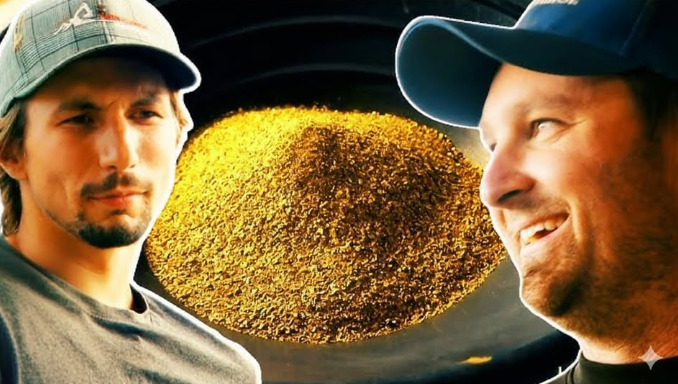
That ease is exactly what’s raising eyebrows. Gold Rush built its reputation on struggle—machines failing at the worst moments, bad ground threatening entire seasons, and leaders making painful calls under pressure. This season, however, Parker appears largely insulated from that chaos. Even when minor issues arise, they’re resolved swiftly, leaving little sense of danger or consequence.
For a show that thrives on adversity, Parker’s near-flawless momentum feels out of sync. Viewers aren’t questioning his skill—they’re questioning the absence of resistance. When victory comes too easily, it stops feeling earned and starts feeling curated.
2. The “Golden Goose” Problem
Parker Schnabel isn’t just a miner; he’s one of the show’s biggest draws. He represents youth, legacy, and long-term success—everything a reality series wants in a central figure. That status brings uncomfortable questions. When a show relies heavily on one star to anchor its narrative, does that star receive subtle protection?




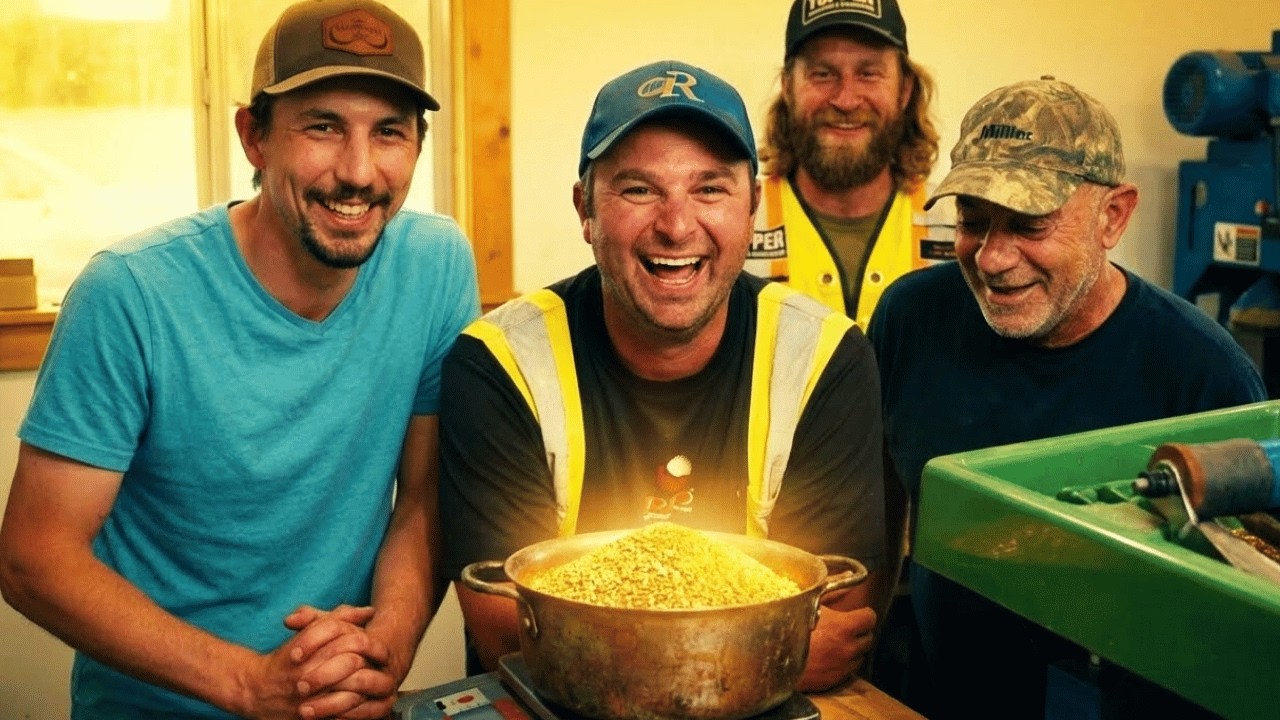
Comparisons with other crews make the imbalance more noticeable. Rick Ness wrestles with uncertainty, financial pressure, and unresolved storylines that vanish without explanation. The Beets family faces visible internal conflict and operational strain. Against that backdrop, Parker’s storyline feels polished, controlled, and consistently rewarding.
This contrast fuels suspicion that Parker is being positioned as the show’s “safe bet”—the dependable winner who reassures audiences that someone is always succeeding. Not because he doesn’t deserve success, but because the show may need him to keep winning. In that light, Parker begins to resemble a golden goose: too valuable to risk, too important to let fail on camera.
3. Reality TV or Carefully Managed Reality?
The real concern isn’t whether Parker Schnabel is capable—it’s whether viewers are seeing the full picture. Reality television has always involved storytelling choices: what to show, what to compress, and what to leave out entirely. Season 16 raises the possibility that Parker’s challenges exist, but simply aren’t being emphasized.

By smoothing out his setbacks, the show may be trading authenticity for stability. The danger is subtle but real. If audiences start believing outcomes are being protected or shaped, the credibility of the entire series comes into question. Gold Rush works because the ground doesn’t care who you are. When that rule seems suspended for one person, the illusion cracks.
None of this proves the game is “rigged” in a literal sense. But perception matters. When one miner appears immune to the kind of chaos that defines everyone else’s season, viewers are right to ask why. Is Parker truly that far ahead of the curve—or is the show making sure its biggest star never looks vulnerable?
As Gold Rush Season 16 moves forward, the question grows louder. Not just about Parker Schnabel, but about the story being told around him. Because in a show built on risk, uncertainty, and failure, perfection doesn’t just stand out—it feels suspicious.