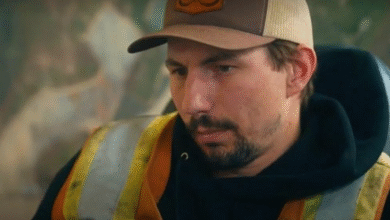
Parker Schnabel Faces a Setback That Puts the Entire Crew on Edge – Gold Rush
Automation Over Instinct: How a Costly Oversight Forced a Klondike Crew to Rethink Modern Mining
In the final weeks of the Yukon mining season, with winter closing in and production targets looming, Parker Schnabel’s operation appeared to be running with textbook precision. Monitors glowed green. Water pressure was stable. Material flow remained consistent. On paper, everything suggested a high-performing wash plant pushing steadily toward an ambitious 7,000-ounce seasonal goal.
But at ground level, reality told a different story.
When Parker walked to the hopper at sunrise and examined the gravel feeding through the plant, he immediately sensed something was wrong. The colour was lighter. The texture looser. The material lacked the dense, compacted character typical of gold-bearing pay dirt. It was overburden — the barren layer that sits above productive ground.
For 72 hours, the crew had unknowingly processed worthless material.




No alarms had sounded. No automated alert had flagged a deviation. The system — installed at significant cost the previous winter — had continued reporting normal parameters. Fuel was burned, labour hours logged, equipment run continuously. Yet the gold recovery was effectively zero.
By mid-morning, the entire crew stood silent around the wash plant as Parker shut it down. The hum of machinery gave way to an uncomfortable stillness. What had failed was not a mechanical component, but something deeper.
A Modernisation Drive
During the off-season, Parker had invested nearly $200,000 in an automated monitoring and quality-control system. Sensors were installed across the wash plant. Cameras tracked excavation depth. Software analysed material composition in real time. The promise was clear: fewer human errors, improved efficiency, and a competitive edge in a tightening industry.
Large-scale global mining companies routinely deploy similar systems. The logic was difficult to dispute. Data does not tire. Sensors do not lose focus. Algorithms track variables beyond the scope of human perception.
Yet placer mining in the Klondike remains a tactile business. Experienced operators read ground through subtle shifts in colour, moisture, and compaction. Pan tests reveal distribution patterns invisible to digital averages. Geological interpretation often relies on instinct refined over decades.
As the season progressed, crew members began deferring to the screens. When excavator operators felt they had reached questionable ground, they checked the depth sensors. When recovery seemed light, supervisors consulted automated composition analysis. Each time the monitors showed green, human doubt overruled human experience.
No one person ignored the warning signs. Instead, each individual assumed the system knew better.
Culture Shift Underground
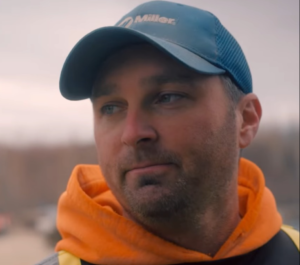
The investigation that followed revealed more than a procedural lapse. Morning geology meetings had gradually been replaced by short equipment briefings. Hands-on pan testing, once routine, had become occasional. Informal discussions about ancient channel patterns and seasonal water flows faded.
Veteran miners described feeling sidelined. They were still operating machines, but not exercising judgment. One crew member reportedly told Parker that the operation had begun to resemble factory work rather than mining.
The impact extended beyond production metrics. Morale declined. Engagement waned. Skilled operators began second-guessing themselves.
The irony was stark. In attempting to eliminate human error, the system had diminished the very expertise that made the crew effective.
A Leadership Reckoning
At a full crew meeting, Parker acknowledged the mistake. He apologised not only for the lost three days, but for creating a culture in which experience felt secondary to automation.
Changes were immediate.
Automated quality-control analysis was shut down. Regular pan testing was reinstated. Morning meetings returned to extended geological discussions rather than efficiency dashboards. A new protocol empowered any crew member to halt operations if something appeared wrong — regardless of what digital data indicated.
Production slowed. Selective mining replaced computer-optimised excavation patterns. Material throughput dropped, but gold recovery per yard improved.
Within weeks, morale shifted. Crew members arrived earlier. Conversations about ground conditions returned. Younger operators absorbed lessons from veterans in real time rather than through screen readouts.
By season’s end, the team had fallen short of its original target by roughly 20%. The financial implications were real. Investor conversations would follow.
Yet the broader outcome proved more significant.
Tradition and Technology
The experience underscored a fundamental tension within modern resource extraction: how to integrate technology without displacing judgment. Automation can enhance safety, improve monitoring accuracy, and streamline logistics. But in small-scale placer operations, geology remains variable, nuanced, and often resistant to uniform modelling.
Parker’s grandfather built his reputation on reading ground — understanding subtle signs that indicated buried pay streaks. That knowledge was not digitised; it was taught, observed, and refined.
By winter shutdown, Parker’s crew had rediscovered that principle. Technology would remain part of the operation. Sensors and data would inform decisions. But they would not replace the people interpreting them.
As snow settled over the Klondike claim, the lesson was clear. Gold still lies where geology placed it. Extracting it demands more than efficiency metrics and automation dashboards. It requires miners who trust their instincts, question anomalies, and understand that data is a tool — not an authority.
The season ended with fewer ounces than projected. But it closed with a renewed sense of identity.
In the Yukon, that may prove the more durable asset.