The Fall of the Gold King: Inside Parker Schnabel’s Empire of Pressure and Loss
In the rugged Yukon, where gold mining is as much about grit and machine-hours as it is about geological good fortune, the empire of Parker Schnabel has recently revealed the cracks beneath its golden veneer.
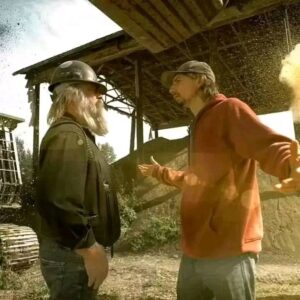
Born into the legacy of his grandfather John Schnabel, Parker assumed the family mine at a young age and transformed it into a high-stakes operation that by his mid-twenties had hauled in tens of millions of dollars’ worth of gold. His reputation soared: the boy king of the Klondike, a veritable machine-boss rewriting record books.
Yet beneath the flashy numbers, a deeper story was brewing — one of human cost, frenetic pace, and a leadership style that many now say came at a heavy price. When the men who helped build his empire began to leave — his mentor, his foreman, his mechanic — the alarm bells should have sounded. Instead, they perhaps marked the moment his model began to collapse.
Cracks in the foundation
From the outset, Schnabel operated at a relentless tempo. Big machines, big budgets — but the margin for error was vanishingly small. Every hour the equipment stood idle meant thousands of dollars lost. He drove his crew around the clock. There were no weekends. The short Yukon season brooked no rest.
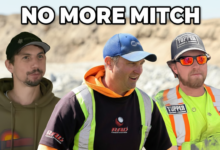
And it was under that pressure that early departures began. First came the departure of his long-time mentor, Jean Cheeseman, who reportedly took issue with Parker’s aggressive speed over methodical preparation. Then his trusted foreman Rick Ness struck out on his own — not just quitting but becoming a competitor. The heart-of-the-crew, Chris Dumit, left for Ness’s team after a public argument over workload. Finally, Mitch Blaschki, the mechanical genius who ended each shift covered in grease and patching machines in the dead of night, quietly stepped away.
What these exits revealed was not just turnover — but a pattern. Parker, it seemed, had built an empire of gold but at the cost of the people who sustained it.
The turning point
With key veterans gone, Parker faced a choice: scale back or double down. He chose the latter. Fresh faces were brought in. He assumed responsibilities once delegated — mechanics, leadership, decision-making — even while adding more machines and investing heavily in technology. He shifted his business model too — offering partnership cuts in place of salaries, betting loyalty on equity rather than geography.
Still, the human complications remained. Leadership is not just about the machines you operate; it’s about the people you manage. As some crew members quietly exited, others stayed — but under a different contract, under a different dynamic. The narrative of the mining prodigy now intersects with the narrative of the leader who must grow up.
Legacy at stake
Today, Schnabel stands at a crossroads. His legacy is no longer just defined by gold ounces or excavator counts. It is shaped by the choices he made — about leadership, culture, and what success really costs.
Is he a ruthless genius who burns bright and burns out his team? Or a visionary who tried to run an empire on his own terms and is adapting mid-course?
Perhaps the answer lies somewhere in between. Because in the unforgiving world of Yukon gold mining, it turns out the hardest ground to break is not the bedrock — it’s the human one.