The Geometry Behind Oak Island: New Theory Points to a Forgotten Map Beneath Nolan’s Cross — experts are intrigued
For more than two centuries, Oak Island has been a place where fact and folklore intertwine. From underground flood tunnels to cryptic symbols carved in stone, almost every corner of the island has drawn speculation. Now, a new theory is attracting fresh attention — one that claims to decode Nolan’s Cross using medieval geometry, cipher systems, and the movements of the sun centuries ago.
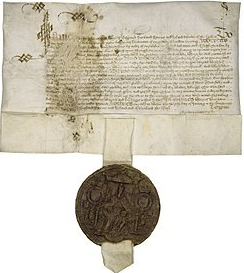
The proposal, nearly a decade in the making, traces its origins back to The Curse of Oak Island Season 1, Episode 4, when Norwegian researcher Petter Amundsen introduced a controversial link between Shakespeare, secret societies, and the island’s mysterious stone formations. His coordinates for what he called the “Sephirot Stones” inspired a long analytical journey for one independent researcher, who now argues he has solved what he calls “the true purpose of Nolan’s Cross.”
According to the researcher, the breakthrough came from calculating precise stone locations based on Amundsen’s initial seven GPS points. From there, he says, he spent years experimenting with historical cipher systems, including the Le Formula Cipher and the Stephenson Cipher — both debated within the Oak Island community.



The Le Formula Cipher, he explains, offered “the correct measurements but no clear point of destination.” The numbers didn’t align with the known search areas. But then he encountered the work of American geologist Scott Wolter, who referenced a 40-foot slope over 1,547 feet — a ratio he found more mathematically plausible. Following this angle, he concluded, pointed to the site he believes once housed a 1304 AD treasure vault.
But the Stephenson Cipher, he argues, was the key that ultimately unlocked the puzzle. With what he describes as “significant corrections,” he believes it led him straight to the location of the original Money Pit — not the modern excavation site, but the entrance marked on the 1347 map attributed to researcher Zena Halpern.
To reach this conclusion, the researcher says he needed one more crucial piece: the year the Sephirot Stones were arranged. He found his answer in Diana Muir’s Journals of Prince Henry Sinclair, which referenced a date — 1432 AD. With that year, he calculated the True North alignment of the period, along with the solar azimuth. When applied to the cipher distances of 522 feet and 1,065 feet, the lines allegedly intersect at the “precise” Money Pit location.
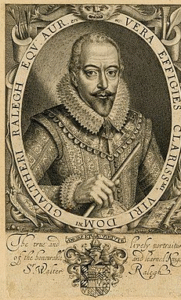
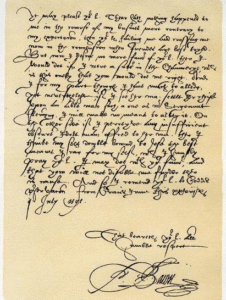
The theory extends far beyond geometry. According to the researcher, the entire network of stones on the island was later integrated into a broader design overseen by Sir Francis Bacon — the philosopher, statesman, and sometimes-rumoured author of Shakespearean works. He points to historical meetings at Gray’s Inn in London between Bacon and James Wemyss, a Knight Templar grandmaster from Scotland. These consultations, he argues, led to the placement of the carved Skull Stone at the centre of Nolan’s Cross.
The narrative is interwoven with another historical thread: Scotland’s “Nova Scotia Scheme.” As Scottish nobles sought to establish a permanent foothold in the New World, new hereditary titles — the Baronets of Nova Scotia — were created in 1624 to encourage settlement. In this context, the researcher suggests, Bacon’s involvement with Oak Island becomes more plausible.
After completing his calculations, he spent several years refining the theory and submitting proposals to Marty Lagina and Craig Tester of The Curse of Oak Island. He received no reply, something he admits he expected.
He now says he has compiled his findings into a 27-page document titled Solution to the Nolan’s Cross Mystery, which he plans to release publicly after securing copyright protection. He claims to also have a list of items allegedly stored within what he calls the Sir Francis Bacon Treasure Vault — details he intends to publish later.
Whether the theory will reshape the Oak Island narrative or simply join the rich tapestry of ideas surrounding the island remains to be seen. But one thing is certain: after more than 200 years of searching, Oak Island continues to inspire stories of coded stones, ancient voyages, and treasures waiting to be found.