The Oak Island Season 13, Episode 3: Roman Coin Discovery on Lot 5 Sparks New Theories
The Oak Island Season 13, Episode 3: Roman Coin Discovery on Lot 5 Sparks New Theories
Season 13 of The Curse of Oak Island continues to deliver unexpected historical twists, and Episode 3, “Medieval Intentions,” may be one of the most intriguing yet. At the center of this week’s discoveries is a single artifact—small, corroded, and unassuming—that has ignited one of the biggest historical debates ever seen on the island:
a Roman coin found on Lot 5.
This is no longer a one-off anomaly.
It is now the sixth Roman coin discovered on the same lot, turning what might have once been dismissed as coincidence into a growing pattern that demands answers.
A Coin Older Than the Money Pit Legend
In the episode’s opening scene, the team gathers in the laboratory to hear results from Archeometallurgist Emma Culligan. Using XRF analysis, she reveals that the coin is composed of copper, iron, calcium, and silver—an alloy mixture consistent with older coinage.
But the real shock came from the CT scan.
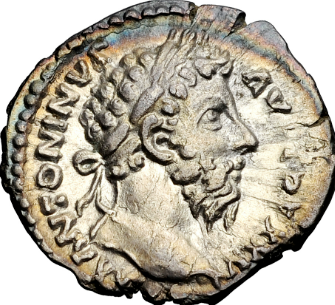
The imagery revealed the profile of Claudius II, placing the coin’s origin between 250 and 270 AD. That’s over 1,700 years old, long before any known European contact with Nova Scotia—and well before Oak Island’s legendary features were supposedly created.


Emma added that the corrosion pattern suggests the coin “has been in place for a very long time,” deepening the mystery.
The million-dollar question, posed by Tom Nolan, remains:
“But when was it deposited?”
Lot 5: A Growing Historical Puzzle
Lot 5 continues to be one of the most unexpectedly rich archaeological zones on Oak Island. Alongside Roman coins, the site has produced:
-
1600–1800s pipe stems
-
Domestic earthenware fragments
-
Trade beads
-
Structural remains
-
And now, a potential link to antiquity
Archaeologist Fiona Steele noted that the artifacts span multiple centuries, suggesting Lot 5 may have been used repeatedly by different groups, for different purposes.
A Venetian Bead Adds Another Layer
Back in the lab, Emma examined a blue bead found in the previous episode. XRF results indicated its color came from copper, and its mineral signature closely matched Venetian trade beads—common currency between Europeans and indigenous groups.
Archaeologist Laird Niven dated it to the mid-to-late 1600s, placing it centuries closer to documented activity, but centuries away from the Roman coin.
The layers are growing stranger, not clearer.
Meanwhile, in the Western Swamp…
A new dig 180 feet west of the paved feature revealed axe-cut wooden stakes, similar to those previously found in the northern swamp. Their uniform cut suggests intentional placement—perhaps part of a structure that once spanned the marsh.
The swamp continues to hint at engineered activity that predates modern searchers.
Back to the Money Pit: A Void Worth Watching
Choice Drilling’s new borehole J5-8.5 revealed a surprising void between 145–158 feet, containing loose material often associated with collapse zones or falling treasure. Drilling then continued down to 229 feet—far deeper than usual—and the team believes this area may warrant a future caisson.
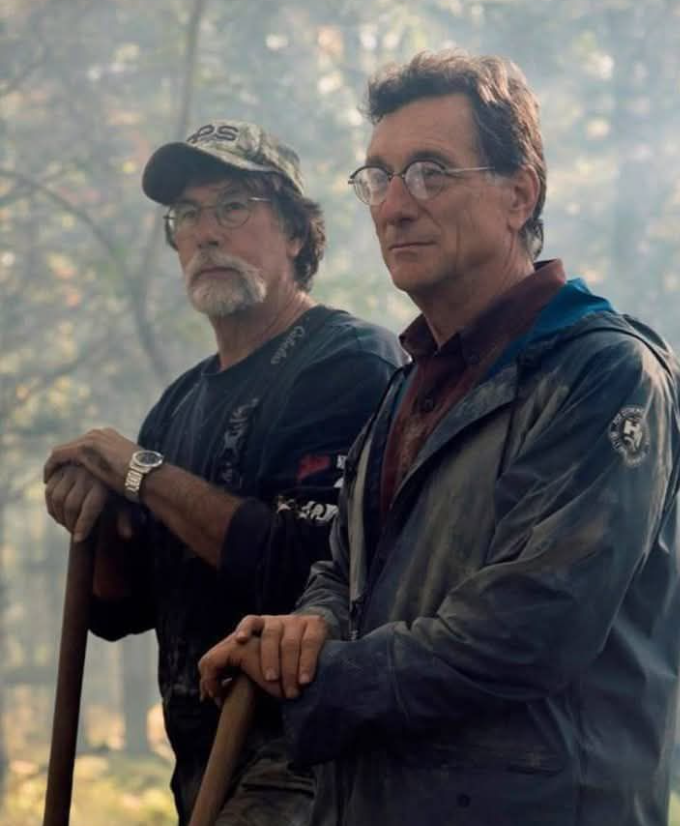
The void’s location and depth raise hopes that something significant may lie below.
Expert Opinion Confirms the Coin’s Origin
Numismatist Sandy Campbell later examined the Roman coin and confirmed its dating, calling it “the most remarkable” Roman artifact yet found on Oak Island. He noted that Roman coins did circulate into the 1500s—but none have previously been documented in Nova Scotia.
Oak Island, once again, is rewriting expectations.
A Mystery That Keeps Getting Older
As Episode 3 concludes, one thing is clear:
Lot 5 is forcing the team—and the world—to confront a deeper and older chapter of Oak Island’s past.
Whether the Roman coin arrived through trade, exploration, shipwreck, or something far more mysterious, it is now part of an expanding body of evidence that suggests Oak Island’s story may predate the Money Pit by more than a millennium.
And with each new discovery, the theories only grow stronger.